Desert Demand: The Rising Appetite Shaping the UAE Beef Industry
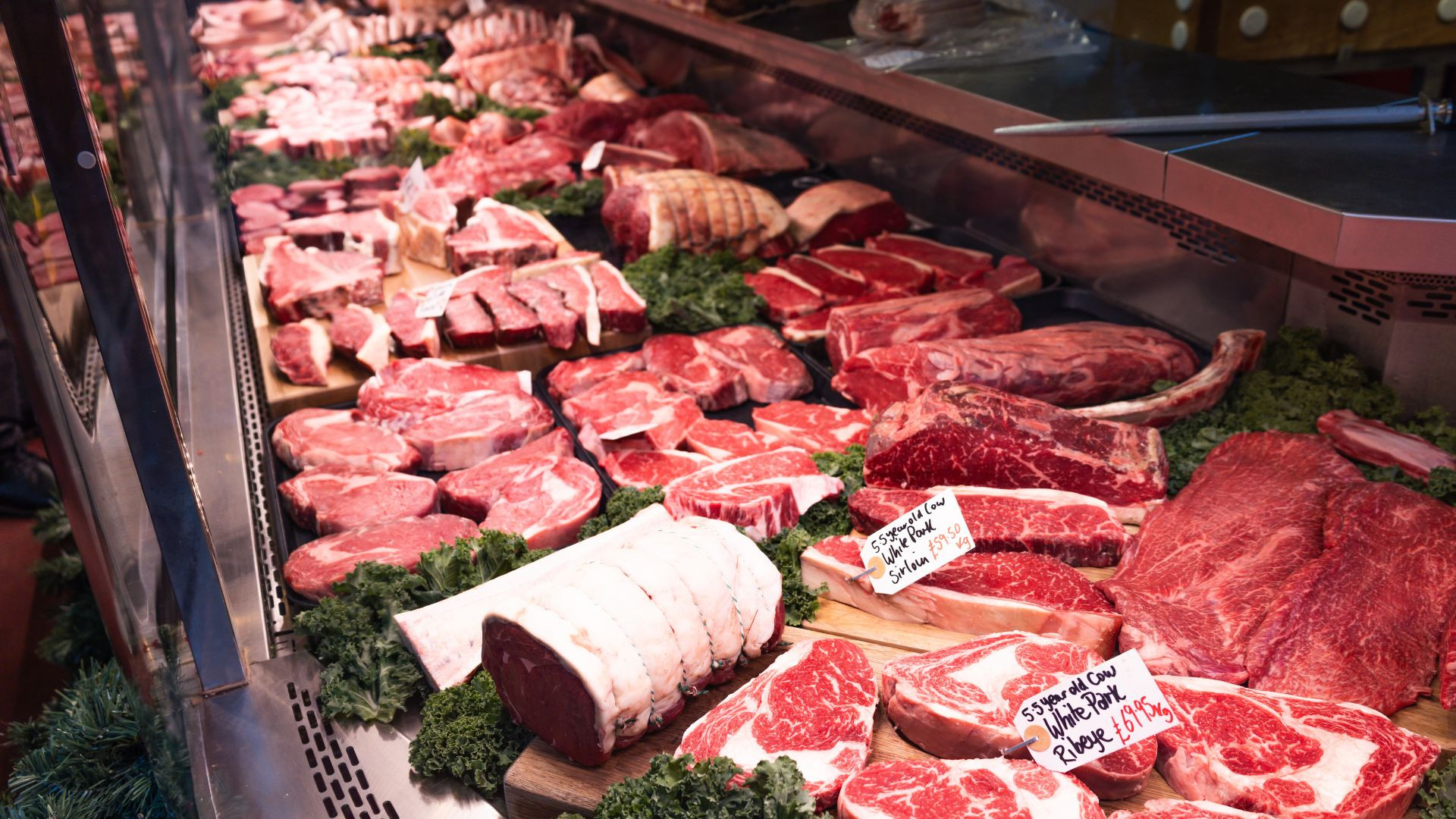
United Arab Emirates Beef Market Size and Forecast 2025–2033
The United Arab Emirates (UAE) continues to strengthen its position as one of the Middle East’s most dynamic food markets. Among the fastest-evolving segments is the beef industry, supported by changing dietary habits, a diverse expatriate population, and a thriving hospitality sector.
According to Renub Research, the United Arab Emirates Beef Market is projected to grow from US$ 2.93 billion in 2024 to US$ 4.35 billion by 2033, expanding at a Compound Annual Growth Rate (CAGR) of 4,48% between 2025 and 2033.
This steady growth trajectory reflects rising demand for premium meat products, strong halal certification frameworks, expanding foodservice industries, and increasing consumer preference for protein-rich diets.
United Arab Emirates Beef Industry Overview
Beef, derived from cattle, remains a vital source of high-quality protein, iron, zinc, and essential nutrients. In the UAE, beef is consumed in various forms — from fresh cuts and steaks to processed items such as minced beef, sausages, and ready-to-cook meals.
Cultural diversity plays a major role in shaping consumption patterns. With a large expatriate population from Asia, Europe, Africa, and the Americas, demand spans a wide range of culinary traditions. Halal certification is central to the UAE beef industry, ensuring compliance with Islamic dietary laws while maintaining high food safety standards.
Due to climatic constraints and limited agricultural land, the UAE depends heavily on imports to meet domestic demand. Key supplier nations include Brazil, India, Australia, and the United States. Imported beef supports both retail consumption and large-scale foodservice operations, including hotels, restaurants, and catering businesses.
The industry is further strengthened by modern retail infrastructure, cold chain logistics, and government initiatives aimed at food security and import diversification.
Download Free Sample Report:https://www.renub.com/request-sample-page.php?gturl=united-arab-emirates-beef-market-p.php
Growth Drivers for the United Arab Emirates Beef Market
Rising Demand for Protein-Rich and Premium Meat Products
Consumer preferences in the UAE are evolving rapidly. Growing health awareness has increased demand for protein-rich diets, positioning beef as a primary protein source among residents and expatriates alike.
Lean, grass-fed, organic, and premium beef varieties are gaining popularity, particularly among high-income households and fitness-focused consumers. The expansion of gym culture, wellness programs, and balanced diet awareness campaigns further supports this trend.
Additionally, premium imported beef from Australia, Japan, and the United States is increasingly featured in gourmet retail stores and fine-dining establishments. Higher disposable incomes allow consumers to explore specialty cuts and branded beef products.
This shift toward quality-driven consumption is expected to sustain long-term market growth, particularly in urban centers.
Expansion of the Hospitality and Foodservice Industry
The UAE’s hospitality and tourism sectors play a pivotal role in driving beef consumption. Cities such as Dubai and Abu Dhabi attract millions of international visitors annually, creating strong demand for diverse culinary experiences.
Luxury hotels, international restaurant chains, steakhouses, and quick-service restaurants contribute significantly to beef demand. Western-style cuisine, including burgers and steaks, remains highly popular among tourists and residents.
Food festivals, culinary events, and global exhibitions further stimulate demand for premium meat products. As hospitality providers prioritize sustainability and quality assurance, partnerships with reputable international suppliers are becoming increasingly common.
With the UAE positioning itself as a global tourism hub, the foodservice sector will remain a consistent growth engine for the beef market.
Strong Halal Certification and Reliable Import Network
Halal compliance forms the backbone of the UAE food industry. The country’s stringent halal certification and inspection system ensures that imported beef products meet religious and quality standards.
The UAE’s strategic geographic location, advanced ports, and robust logistics infrastructure enable efficient import and distribution of beef from global suppliers. Strong trade relationships with exporting countries ensure diversified supply chains and reduce dependence on a single source.
Government initiatives aimed at strengthening food security — including cold chain expansion and import diversification strategies — further enhance supply reliability.
This combination of regulatory assurance and logistical efficiency reinforces the UAE’s role as a regional hub for halal-certified beef distribution across the Middle East.
Challenges in the United Arab Emirates Beef Market
Heavy Reliance on Imports and Supply Chain Vulnerability
The UAE’s heavy dependence on imported beef exposes the market to global disruptions. Geopolitical tensions, transportation cost increases, currency fluctuations, and regulatory changes in supplier nations can significantly impact pricing and availability.
Limited domestic cattle farming capacity, due to arid climate conditions and resource constraints, further intensifies import reliance. Any disruption in global meat trade flows can create short-term supply volatility.
While the government is investing in food security programs and strategic partnerships, achieving long-term supply stability remains a structural challenge.
Rising Costs and Shift Toward Alternative Proteins
Global inflation and stricter production standards have contributed to rising beef prices. Premium and grass-fed products are becoming more expensive, potentially limiting affordability for middle-income consumers.
At the same time, environmental awareness and ethical consumption trends are encouraging some consumers to explore plant-based or lab-grown protein alternatives. Although beef remains widely preferred, alternative protein segments may gradually influence consumption patterns.
To address these concerns, suppliers are focusing on value-added products, competitive pricing strategies, and sustainable sourcing initiatives to maintain consumer loyalty.
Regional Insights
Abu Dhabi Beef Market
Abu Dhabi’s beef market is supported by its affluent population and expanding hospitality landscape. Luxury hotels and high-end restaurants drive demand for premium imported beef cuts.
Retail outlets increasingly offer organic, grass-fed, and ready-to-cook options catering to health-conscious consumers. Government-backed food diversification initiatives and strict quality monitoring systems enhance consumer confidence.
As Abu Dhabi advances its economic diversification agenda, demand for high-quality meat products is expected to grow steadily.
Dubai Beef Market
Dubai represents the UAE’s largest and most dynamic beef market. The city’s cosmopolitan population, vibrant tourism industry, and dense concentration of international restaurants create substantial demand across all beef categories.
Advanced logistics and port infrastructure position Dubai as a key regional distribution hub for halal-certified meat. The rise of e-commerce grocery platforms and gourmet retail chains has further improved product accessibility.
Sustainability and traceability are becoming critical factors, encouraging suppliers to emphasize responsible sourcing practices.
Sharjah Beef Market
Sharjah’s market is expanding gradually, driven by population growth and retail modernization. Consumers prioritize affordable and halal-certified beef options, with increasing demand for packaged and frozen products.
Supermarkets and hypermarkets are upgrading their fresh meat sections, improving product presentation and hygiene standards.
As awareness of protein-based diets grows, Sharjah is expected to witness stable consumption growth supported by enhanced logistics and distribution systems.
Ajman Beef Market
Ajman’s beef market benefits from urbanization and rising expatriate communities. Supermarkets and traditional butcher shops are expanding their halal-certified imported beef offerings.
While price-sensitive consumers drive demand for frozen and processed products, premium segments are gradually emerging. Proximity to major import hubs ensures reliable supply channels.
Ongoing retail expansion and infrastructure improvements are expected to strengthen Ajman’s contribution to the national beef market.
Recent Developments
· September 2025: The Organic Meat Company Limited (Pakistan) entered into an export agreement with Gold Crest Trading FZE (UAE) to supply frozen boneless beef, strengthening bilateral trade and expanding premium beef availability.
· October 2025: The Australia–UAE Comprehensive Economic Partnership Agreement (CEPA) came into effect, eliminating tariffs on Australian frozen red meat exports, enhancing cost competitiveness and supply diversification.
Market Segmentation
By Cut:
Brisket, Shank, Loin, Others
By Slaughter Method:
Halal, Kosher, Others
By Distribution Channel:
Supermarket and Hypermarket, Retail Store, Wholesaler, E-Commerce, Others
By Region:
Abu Dhabi, Dubai, Sharjah, Ajman, Umm Al-Quwain
Competitive Landscape
The UAE beef market features a mix of international meat processing giants and regional distributors. Companies are evaluated across five major viewpoints:
· Company Overview
· Key Persons
· Recent Developments & Strategies
· SWOT Analysis
· Sales Analysis
Key players include JBS S.A, Tyson Foods, Pilgrim’s Pride Corporation, Danish Crown Group, Vion Food Group, WH Group, Hormel Foods Corporation, and Muyuan Foods.
Strategic trade agreements, supply chain optimization, and quality assurance initiatives define the competitive landscape.
Final Thoughts
The United Arab Emirates beef market is positioned for stable and sustained expansion. With Renub Research projecting growth from US$ 2.93 billion in 2024 to US$ 4.35 billion by 2033 at a CAGR of 4,48%, the sector reflects both resilience and opportunity.
Strong halal certification standards, a thriving hospitality industry, rising disposable incomes, and a growing preference for protein-rich diets continue to drive demand. At the same time, import dependence and evolving dietary trends present challenges that require strategic adaptation.
As the UAE advances its food security goals and strengthens international trade partnerships, the beef industry is set to remain a vital component of the nation’s diversified and globally connected economy.