Comprehensive Guide to Lahey Forceps in Modern Surgery
The modern operating room relies heavily on specialized instrumentation designed to manage tissue with the utmost precision. Among the elite class of surgical instruments used for grasping and dissecting dense tissues, lahey forceps stand out as an indispensable tool for general, thoracic, and endocrine surgeries. Surgical procedures involving fibrous organs like the thyroid or uterus demand tools that offer a secure grip without causing accidental fragmentation. Azeemed Instruments is dedicated to providing high-quality surgical tools that meet the needs of professionals. Understanding the design mechanics, physical characteristics, and clinical deployment of these tools helps medical facilities make informed choices for their surgical trays.
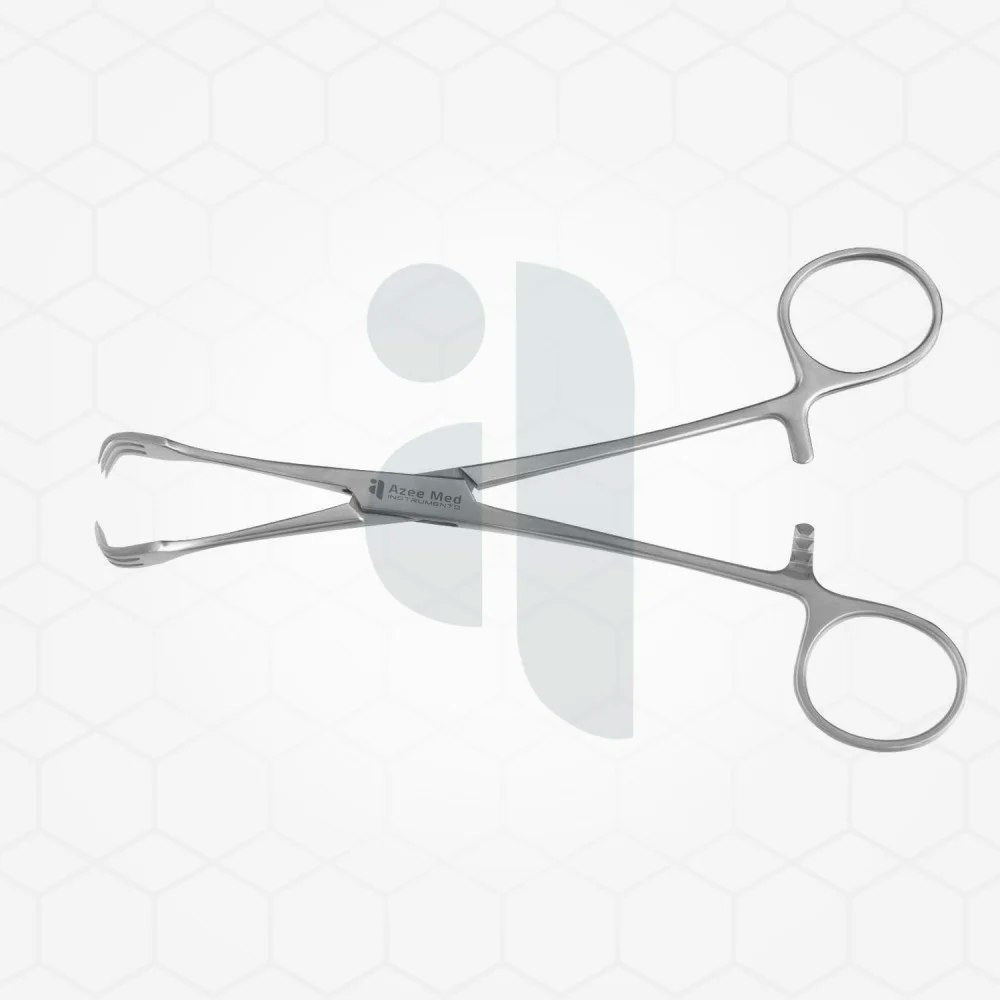
Engineering Precision in Tissue Management
The design of lahey forceps features a highly specialized structural profile that distinguishes them from standard hemostatic clamps. Equipped with sharp, interlocking teeth at the working tips, these instruments provide a definitive, slip-free grasp on slippery or tough tissues, such as tumors or cyst walls. The elongated shafts provide deep surgical access, allowing surgeons to operate smoothly within narrow anatomical cavities. The finger-ring handle configuration coupled with a reliable ratchet locking mechanism enables a secure, variable hold, letting clinicians maintain traction without continuous manual pressure. This reduces hand fatigue during lengthy procedures and ensures that delicate surrounding structures remain undisturbed while the target tissue is mobilized or retracted.
Integrating Lahey Forceps and Retractor Harrington in Deep Abdominal Procedures
In complex deep abdominal or pelvic surgeries, specialized grasping tools are frequently paired with advanced visualization instruments such as the retractor harrington to maximize surgical exposure. While lahey forceps serve to securely isolate and apply traction to dense, deeply situated masses, the sweet-heart shaped blade of the retractor harrington is simultaneously deployed to hold back delicate viscera or the liver. This precise combination creates an optimal, unobstructed line of sight and adequate working room for the surgical team. High-quality manufacturing standards ensure that both instruments interact seamlessly within the sterile field, providing the tactile feedback and mechanical stability required when managing high-stakes exposures near major blood vessels.
Material Longevity and Sterilization Standards
Surgical instruments are investments in patient safety and clinical efficiency, meaning their material composition must withstand rigorous daily use and cleaning protocols. Premium lahey forceps are forged from high-grade medical stainless steel, a material selected for its exceptional tensile strength and inherent resistance to corrosion. The surface of these instruments undergoes passivating treatments to prevent pitting and oxidation over hundreds of autoclave cycles. The smooth junctions and clean hinge mechanisms minimize the risk of microscopic bio-burden accumulation, facilitating faster turnarounds in the sterile processing department. Investing in precisely machined joints ensures that the jaws align perfectly every time, eliminating the dangerous scissor-effect or jaw-slippage that can occur with lower-tier instruments.
Clinical Applications in Endocrine and General Surgery
The primary clinical environment for lahey forceps is endocrine surgery, particularly thyroidectomy and parathyroidectomy procedures. During a thyroidectomy, the surgeon must gently but firmly elevate the thyroid lobe to dissect it away from the recurrent laryngeal nerve and nearby vascular structures. Because the thyroid gland is highly vascularized and easily torn, the multi-toothed jaw design of these forceps distributes pressure evenly, preventing tissue fracture and subsequent hemorrhage. Beyond endocrine applications, general surgeons utilize these tools to grab tough fascial layers, mobilize fibroids during gynecological interventions, or manage dense cystic structures that require steady traction before excision.
Choosing Quality Instrumentation for Superior Outcomes
Optimizing surgical trays with dependable instruments directly correlates with minimized operating times and improved patient safety. Selecting premium lahey forceps guarantees that surgeons can rely on consistent mechanical performance, tactile sensitivity, and zero jaw deviation when dealing with complex anatomy. Every curve, serration, and lock must meet exact dimensional tolerances to perform predictably under stress. By partnering with manufacturers focused on master craftsmanship and strict quality control, healthcare institutions protect their staff from intraoperative tool failure and ensure that their clinical teams are always equipped to deliver top-tier surgical care.
