How to Enjoy a Geometry Jump Without Losing Your Rhythm
Introduction
Some games are easy to understand but surprisingly difficult to master. A geometry jump is a perfect example. The basic idea is simple: guide a character through a level, jump over obstacles, and reach the finish without crashing. Yet every movement depends on timing, rhythm, and concentration.
Geometry Dash is one of the best-known examples of this style. Its bright visuals, energetic music, and fast-paced levels turn a simple jumping challenge into an exciting test of reflexes. Whether you play for a few minutes or spend an evening improving one difficult section, the experience is easy to start and rewarding to explore.
Gameplay: More Than Just Jumping
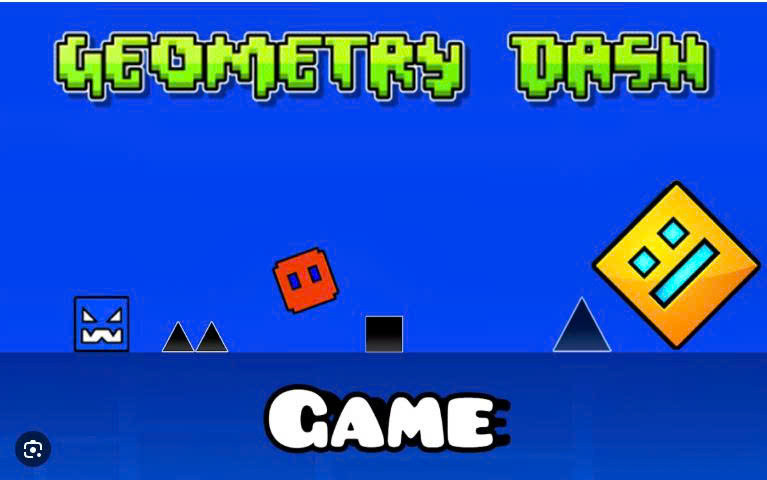
In Geometry Dash, your character usually moves forward automatically. Instead of controlling its speed directly, you focus on when to jump. A tap or click can make the character leap over spikes, gaps, and other hazards. The challenge comes from making the correct move at exactly the right moment.
As the level progresses, the obstacles become more varied. You may need to jump across platforms, pass through narrow spaces, or react to changes in gravity. Some sections transform the character into a flying object, allowing movement in a different way. Other parts reverse gravity or change the pace of the level, keeping the gameplay from becoming predictable.
Music plays an important role in the overall experience. Many obstacles appear in time with the soundtrack, so the rhythm can help you anticipate what is coming next. After playing a level several times, you may begin to recognize patterns through the music alone. This creates a satisfying connection between sight, sound, and movement.
Failure is also part of the design. When you hit an obstacle, the level usually restarts immediately. At first, this may feel frustrating, especially when you reach a difficult section and make one small mistake. However, the quick restart encourages you to try again without a long wait. Each attempt provides information about the level and helps you improve your timing.
Tips for Better Runs
The most useful skill is patience. Trying to rush through a level often leads to careless jumps. Instead, pay attention to the rhythm and observe how the obstacles are arranged. A calm approach gives you more time to react and makes repeated attempts less stressful.
Practice mode can be helpful when a level feels overwhelming. It allows you to study difficult sections, place checkpoints, and learn the order of upcoming obstacles. Rather than trying to complete the whole stage immediately, focus on one small part at a time. Once you understand a section, connect it with the next one.
It is also important to learn the difference between automatic and intentional movement. Some platforms may launch your character into the air, while certain objects require a tap to activate. Understanding which actions happen automatically prevents unnecessary inputs. In many cases, doing less is better than pressing at every opportunity.
Adjusting your playing environment can make a noticeable difference. Use a device with responsive controls, reduce distractions, and choose a comfortable volume so that you can hear the music clearly. If the screen feels visually busy, concentrate on the path directly ahead rather than looking at every decoration.
When you repeatedly fail at the same point, change your approach instead of simply repeating the exact motion. Try tapping slightly earlier or later, and notice how the character’s position changes. Small adjustments often make the difference between a crash and a successful jump.
Taking breaks is another underrated strategy. Difficult levels can make players tense, and tension usually harms reaction time. A short pause can help you return with a clearer mind. Progress does not always come from playing longer; sometimes it comes from playing with better focus.
Finally, enjoy levels that match your current ability. Starting with easier stages helps you understand the controls and build confidence. Once the basic movements feel natural, you can move toward more complex challenges. There is no need to compare your progress with other players. The most satisfying achievement is improving compared with your own previous attempt.
Experiencing the Game Creatively
Geometry Dash is not only about finishing official levels. Many players enjoy discovering user-created stages with different themes, songs, and difficulty levels. These levels can feel completely different even though they use the same basic controls.
Some stages emphasize precise jumps, while others focus on visual design and atmosphere. You might find bright, playful environments, dark mechanical settings, or levels built around a particular musical style. Exploring this variety keeps the game fresh and gives you ideas about how rhythm and level design work together.
Creative players can also experiment with building their own stages. Designing a level requires more than placing obstacles randomly. Good stages usually have a clear flow, fair timing, and a consistent relationship between the music and the action. Even a simple beginner level can be enjoyable when its jumps feel natural and predictable.
Conclusion
A geometry jump game offers a surprisingly rich experience from a very simple concept. Geometry Dash combines one-touch controls with demanding timing, memorable music, and a wide range of level designs. Its quick restarts make failure manageable, while practice and repetition turn difficult sections into achievable goals.
The best way to enjoy it is to treat each attempt as part of the learning process. Listen to the rhythm, study the obstacles, use practice tools, and take breaks when necessary. Whether you prefer relaxed exploration or intense challenges, the game provides plenty of opportunities to improve at your own pace.