How CNSME PUMP Vertical Slurry Pumps Improve Mining Dewatering Efficiency
If you’ve ever stood at the bottom of an open pit mine or walked through an underground decline, you know that water is the constant, unwelcome guest. It seeps from fractures, pools in low spots, and turns solid ore into a soupy mess that brings haul trucks and crushers to a halt. Dewatering isn’t just a convenience in mining—it’s a survival tactic. But here’s the rub: the water you need to remove is rarely clean. It carries fine rock particles, sand, clay, and sometimes aggressive chemicals from blasting residues. Standard dewatering pumps choke on that mix. That’s where CNSME PUMP’s vertical slurry pumps rewrite the rules. They don’t just move water; they thrive on the gritty, abrasive slurry that mining dewatering produces. Let’s walk through how these rugged pumps make mines drier, safer, and more productive.
Continuous Operation While Handling Variable Solids Content
Mine dewatering flows are maddeningly inconsistent. One moment you’re pumping mostly clear seepage; the next, a blast has sent a wave of rock fines into the sump. A conventional dewatering pump with tight clearances would bind up or wear its impeller to nothing in hours. CNSME vertical slurry pumps, however, are designed with open or semi-open impellers and generous internal passages. They don’t care if the water carries twenty percent solids by weight. The pump simply digests the mixture and keeps pushing. This continuous operation matters enormously in mining, where stopping to unclog a pump might mean flooding a working face or delaying an entire production shift. With CNSME, you set it and forget it—the pump handles the variable slurry cocktail without complaint.
Low NPSH Requirements for Shallow or Turbulent Sumps
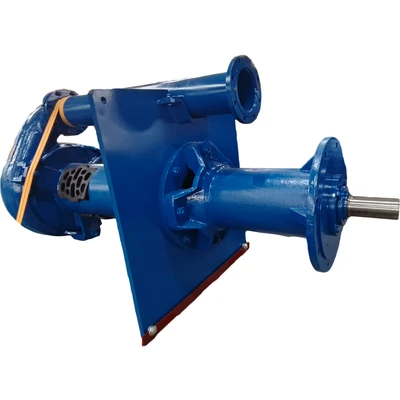
A hidden efficiency killer in dewatering is something called Net Positive Suction Head available, or NPSHa. In simple terms, a pump needs enough pressure at its inlet to prevent cavitation—those vapor bubbles that collapse and eat away metal. Mine sumps are often shallow, turbulent, or both, which starves horizontal pumps of NPSH. CNSME vertical pumps solve this by placing the impeller down in the sump, with a short, straight intake bell. The required NPSH is remarkably low, meaning the pump can pull reliably even when the water is just a couple of feet deep or swirling with entrained air from cascading inflows. For miners trying to keep a tailings pond or pit-bottom sump as dry as possible, that low NPSH characteristic is pure gold. It allows you to pump down to a thin film of liquid instead of leaving a foot or more of unreachable water behind.
No Priming Delays or Suction Piping Losses
Anyone who has struggled to prime a horizontal centrifugal pump in a remote mine pit knows the frustration. You need foot valves, check valves, and often a separate vacuum primer—all of which can leak, clog, or freeze in cold weather. CNSME vertical pumps are submersed in the slurry itself, so priming is instantaneous. The impeller is always wet the moment the motor starts. That eliminates the minutes or even hours spent chasing prime every time the pump cycles on. Furthermore, there are no long suction pipes running from the pump to the sump. Every meter of suction pipe creates friction and energy loss. By removing that pipe entirely, CNSME pumps deliver more of their motor power to actually lifting water out of the pit. In diesel-powered dewatering scenarios—common in remote mines—that efficiency translates directly to lower fuel consumption.
Extended Shaft Life in Deep Pit Applications
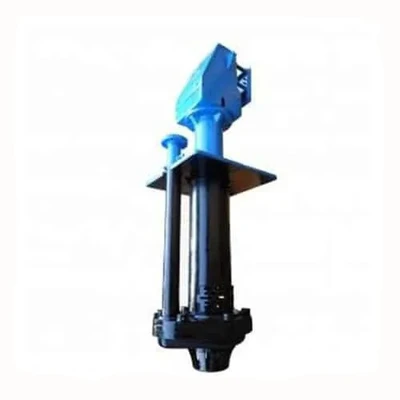
Deep mine dewatering often requires lowering a pump twenty, thirty, or fifty meters into a shaft or borehole. A horizontal pump can’t even attempt that. A vertical turbine pump might, but its slender shaft and multiple sleeve bearings are vulnerable to misalignment and abrasive wear. CNSME’s vertical slurry pump uses a thick, continuous shaft with strategically placed intermediate bushings designed for abrasive service. These bushings run in the pumped slurry, which sounds counterintuitive, but they’re made from ultra-wear-resistant materials like silicon carbide or high-chrome alloy. They act as sacrificial wear points that are easy and inexpensive to replace. The result is a shaft that stays straight and true for years, even when hanging in a deep, wet hole. For mine dewatering crews, that means fewer pulled strings of pipe and fewer middle-of-the-night shaft failures.
Wear-Resistant Materials That Stand Up to Sharp Particles
Mine dewatering slurry is often laden with jagged, sharp particles—quartz fragments, freshly blasted rock dust, and sometimes steel grit from drill bits. These tiny cutters will shred a standard cast-iron impeller in days. CNSME builds its vertical slurry pump with high-chrome white iron for the impeller and volute liner. This material has a hardness of 600 Brinell or more, along with a microstructure that resists impact spalling. For mildly abrasive slurries, they offer natural rubber lining that actually repels fine particles and provides a smooth, low-friction surface. The key is that you can match the material to your specific mine water chemistry and abrasion level. When the pump lasts three or four times longer than a generic dewatering unit, the total cost of ownership drops dramatically, and so does the labor cost for change-outs in hard-to-reach pits.
Dry-Run Capability with Optional Temperature Sensors
Here’s a scenario no mine operator wants: the sump runs dry because inflow suddenly stops, but the pump keeps running. In most pumps, that means destroyed mechanical seals, melted bearings, and a dead motor within minutes. CNSME offers an optional temperature monitoring system embedded in the bearing housing and lower bearing bushings. If the pump begins to run dry, the temperature rises rapidly, and the sensor triggers an alarm or automatic shutdown before damage occurs. Even without sensors, the pump’s design allows brief dry-run periods—enough to clear a sump completely without panic. This is a lifesaver in dewatering where water levels can drop unexpectedly. It means you can run the pump until the last drop is gone, confident that you won’t return to a smoking wreck.
Simplified Power Connection for Remote or Mobile Mining
Finally, mining dewatering often happens far from the main grid. Power comes from portable diesel generators or temporary electrical switchgear. Horizontal pumps need a level concrete pad and aligned motor couplings—heavy infrastructure. CNSME vertical pumps mount on a steel plate that sits over the sump. The motor is typically an IEC or NEMA standard frame, easily connected to any generator. The entire setup is compact enough to move with a front-end loader or crane. For mines that advance rapidly—like strip mines or development drifts—this mobility is a dewatering efficiency all its own. You don’t build a pump station; you just dig a sump, drop in a CNSME pump, and start dewatering within the hour. That kind of speed keeps mining ahead of the water, not fighting it from behind.