Choosing an Experienced Facelift Surgeon in Delhi
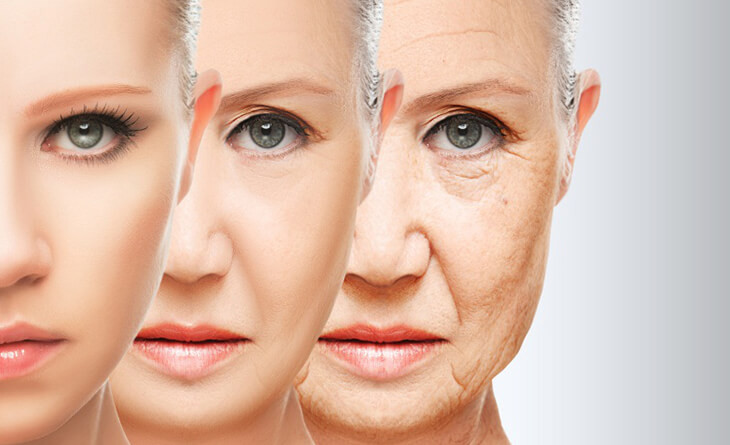
Deciding to undergo facial rejuvenation is a deeply personal choice that requires thoughtful consideration, research, and planning. The face is our primary medium of expression and social connection, making facial surgical procedures among the most intricate in aesthetic medicine. As interest in advanced cosmetic procedures continues to grow across Delhi NCR, patients are presented with a wide array of surgical options and clinical facilities. However, achieving balanced, soft, and long-lasting facial restoration depends almost entirely on the expertise, training, and surgical philosophy of your chosen doctor.
Finding a qualified facelift surgeon in Delhi involves much more than reviewing online marketing or comparing baseline pricing. It requires a clear understanding of formal medical qualifications, specialized surgical training, facility safety standards, and anatomical mastery. By taking a systematic approach to evaluating surgical credentials and clinical practices, prospective patients can make confident, well-informed decisions that prioritize both personal safety and authentic aesthetic outcomes.
Understanding Surgical Qualifications: What M.S. and M.Ch. Credentials Mean for Your Safety?
When researching facial plastic surgery, one of the most critical steps is evaluating a doctor’s formal academic and clinical training background. In India, surgical training follows a rigorous, multi-tiered educational pathway designed to ensure clinical excellence and patient safety.
A fully qualified specialist in reconstructive and aesthetic procedures holds an M.S. (Master of Surgery) in General Surgery followed by an M.Ch. (Magister Chirurgiae) in Plastic and Reconstructive Surgery. The M.Ch. degree represents the highest formal super-specialty qualification recognized by the National Medical Commission (NMC). This extensive training encompasses years of intensive hospital-based surgical residency, deep study of complex human anatomy, micro-vascular techniques, tissue handling, and emergency clinical management.
Selecting a board-certified plastic surgery doctor in Delhi who holds these accredited higher degrees ensures that your procedure is managed by a specialist trained to handle complex anatomical variations with high precision. Furthermore, surgeons who participate in continuous medical education and hold memberships in recognized professional societies demonstrate an ongoing commitment to modern surgical safety standards and evolving technique refinements.
Aesthetic Vision and Architectural Understanding: Evaluating Natural Facial Restoration
Facial plastic surgery is a unique blend of precise surgical science and delicate artistic discernment. The primary objective of modern facial elevation is not merely to pull surface skin tight, but to restore youthful balance, elevate descending deep tissue layers, and preserve genuine facial expressions.
An experienced cosmetic plastic surgeon in Delhi understands that every individual possesses a distinct facial bone structure, skin quality, fat distribution, and aging trajectory. A standardized, one-size-fits-all approach often yields artificial or over-tightened outcomes. Instead, an expert practitioner evaluates the multi-layered architecture of the face—including the superficial musculoaponeurotic system (SMAS), deep fat compartments, and structural retaining ligaments.
During your research, examine how a surgeon discusses facial dynamics. An experienced specialist will place heavy emphasis on vertical tissue elevation, vector realignment, and tension-free skin closure. This structural focus ensures that the final results look refreshed and youthful rather than obvious or operated upon.
Key Questions to Ask During Your Initial Facelift Consultation
The initial consultation serves as a foundation for building mutual trust, setting realistic goals, and establishing open medical communication. It is an opportunity for you to ask focused questions regarding the practitioner’s clinical experience, surgical philosophy, and safety protocols.
To make the most of your consultation, consider discussing the following key points:
- Surgical Background and Specialization: Ask about the surgeon’s specific experience in performing facial elevation procedures and how frequently they perform deep-tissue facial operations in their daily practice.
- Technique Customization: Inquire which structural approach—such as SMAS plication, SMAS ectomy, or deep-plane elevation—is recommended for your unique facial anatomy and why it offers the safest, most effective pathway.
- Facility Accreditation and Anesthesia: Request details regarding the operating facility where the surgery will take place, the qualifications of the accompanying anesthesiologist, and the safety monitoring equipment available on-site.
- Recovery Timeline and Aftercare: Clarify what to expect during every stage of the healing journey, including wound management, suture removal schedules, activity restrictions, and emergency contact procedures.
An ethical, patient-focused specialist will welcome detailed inquiries, provide clear explanations using understandable medical concepts, and never rush you into making an immediate decision.
Assessing Clinical Infrastructure and Anesthetic Safety Standards in Delhi NCR
While surgical skill is paramount, the safety and quality of the surgical environment are equally essential. Facial rejuvenation procedures require controlled, sterile surgical suites equipped with state-of-the-art vital sign monitoring systems, standardized emergency support equipment, and precise lighting.
When evaluating a plastic surgery clinic in Delhi, ensure that the facility adheres to high clinical standards and strict infection control protocols. For procedures requiring general anesthesia or deep intravenous conscious sedation, an experienced, board-certified anesthesiologist must manage anesthesia administration and monitor vital organs continuously throughout the procedure.
Choosing a clinic situated in established healthcare hubs such as Greater Kailash or broader South Delhi provides access to high-standard surgical facilities and modern clinical support. Prioritizing accredited medical infrastructure guarantees that patient safety remains the ultimate priority throughout the entire surgical experience.
Red Flags vs. Green Flags When Selecting a Facial Plastic Surgeon
Navigating clinical choices requires identifying signals that indicate high standards of patient care versus potential warning signs. Being aware of these distinctions helps ensure a safe, transparent, and rewarding aesthetic experience.
Green Flags (Indicators of High Quality Care):
- Thorough Medical Screening: The doctor takes a comprehensive medical history, evaluates existing health conditions, reviews current medications, and assesses skin elasticity and facial bone structure.
- Honest Goal Alignment: The specialist discusses achievable improvements candidly, explaining what surgical intervention can and cannot accomplish while establishing realistic, non-exaggerated expectations.
- Emphasis on Patient Safety: The team prioritizes strict pre-operative clearances, professional anesthetic care, and structured post-operative follow-up appointments.
- Individualized Treatment Planning: The surgeon crafts a custom surgical outline tailored to your specific aesthetic concerns rather than pushing unnecessary additional procedures.
Red Flags (Warning Signs to Avoid):
- Guaranteed Perfection or Unrealistic Claims: Any promise of "flawless" outcomes, perpetual youth, or completely invisible scars indicates unethical communication.
- Pressure Tactics or High-Pressure Sales: Being pressured to sign up for immediate surgery through limited-time discount offers or aggressive sales pitches is a significant red flag.
- Dismissal of Risks or Recovery Requirements: Surgical procedures carry inherent healing timelines and potential risks. Practitioners who trivialize the recovery process or dismiss possible complications should be avoided.
- Unclear Facility Credentials: Reluctance to provide details regarding operating facility accreditation or anesthesiologist qualifications warrants immediate caution.
The Role of Customized Surgical Planning and Ethical Candidate Selection
Not every individual who desires facial rejuvenation is an immediate candidate for a full surgical lift. Factors such as general medical health, skin condition, underlying skeletal structure, micro-circulation, and psychological readiness play vital roles in determining overall suitability.
An ethical best cosmetic surgeon in Delhi conducts a comprehensive consultation to determine whether surgical intervention is the right choice for you. For instance, individuals with early or mild tissue laxity might benefit more from targeted non-invasive modalities or localized procedures, whereas patients with deep muscle sagging, heavy jowling, and pronounced neck laxity require formal structural surgery.
Through honest candidate selection and individualized planning, your doctor ensures that surgery is performed only when it is medically appropriate and likely to deliver meaningful, satisfying, and enduring aesthetic value.
Understanding Financial Investment and Surgical Planning in Delhi
Understanding the financial aspects of facial surgery requires evaluating the comprehensive components that make up a high-standard surgical procedure. When researching the overall facelift surgery cost in Delhi, patients should understand that surgical quotes reflect complex medical factors rather than simple cosmetic pricing.
Several primary factors influence the total surgical investment:
- Surgeon Expertise and Qualification: Fees reflect decades of specialized surgical education, super-specialty board certifications, surgical skill, and clinical reputation.
- Complexity of the Surgical Procedure: The overall scope of work—whether addressing lower face jowling, full midface SMAS restructuring, or combined neck platysmaplasty—directly affects operating room duration and technical demands.
- Anesthesia and Surgical Suite Infrastructure: High-standard facilities employ certified anesthesiologists, advanced monitoring systems, specialized instrumentation, and dedicated nursing staff to ensure complete safety.
- Comprehensive Pre and Post-Operative Care: Total investment includes pre-surgical medical evaluations, specialized surgical dressings, routine follow-up consultations, and long-term recovery support.
Evaluating the overall plastic surgery cost in Delhi through the lens of safety, facility accreditation, and surgeon specialization ensures that you invest in high-quality medical care and long-term peace of mind.
Post-Surgical Care and Building a Long-Term Relationship with Your Surgeon
Facial rejuvenation is not a one-day event; it is a collaborative process that extends through surgical execution, structured recovery, and long-term maintenance. The relationship you build with your doctor and clinical support team continues long after you leave the operating suite.
During the post-operative recovery phase, your surgical team provides clear, step-by-step guidance regarding wound care, head elevation, physical activity modification, and scar management protocols. Attending scheduled follow-up appointments allows your surgeon to monitor tissue healing, evaluate vector stability, remove fine sutures at the optimal time, and address any questions that arise during recovery.
Working with an experienced top plastic surgeon in Delhi ensures that you receive continuous support, ongoing monitoring, and professional guidance to preserve your natural, refreshed contours for years to come.
Frequently Asked Questions About Choosing a Facelift Surgeon
What medical qualifications should I look for when choosing a facial cosmetic surgeon in Delhi?
When selecting a practitioner for facial surgery, verify that they hold an M.S. (Master of Surgery) in General Surgery followed by an M.Ch. (Magister Chirurgiae) in Plastic and Reconstructive Surgery. The M.Ch. is the highest super-specialty surgical degree recognized by the National Medical Commission in India. This qualification ensures that the surgeon has completed years of specialized hospital training in deep tissue handling, micro-vascular surgery, and complex facial anatomy. Additionally, check for active memberships in recognized national plastic surgery associations, which demonstrate a commitment to ethical practice and continuing medical education.
Why is deep facial anatomical expertise so important for facelift surgery?
The face contains a complex network of delicate facial nerves, blood vessels, mimetic muscles, and connective tissue layers like the SMAS. Achieving soft, natural rejuvenation requires operating in these deeper structural layers to lift sagging tissues rather than simply pulling surface skin tight. A surgeon with deep anatomical expertise can safely navigate around delicate nerve branches and vascular structures, repositioning deeper tissues precisely without causing damage. This depth of understanding prevents an artificial or over-tightened appearance, reduces tension on incision lines, and ensures long-lasting, natural-looking aesthetic outcomes.
How can I determine if a surgeon specializes in natural-looking facial rejuvenation?
During your initial consultation, pay close attention to how the surgeon discusses facial aesthetics and surgical strategy. Experienced facial surgeons emphasize structural vector realignment, tension-free skin closure, and preserving your unique facial expressions rather than applying a standardized pull. They will evaluate your individual facial framework, fat distribution, and skin elasticity to create a tailored treatment plan. A surgeon focused on natural rejuvenation will also candidly explain realistic expectations, prioritizing harmony and soft elevation over exaggerated or artificial changes.
What safety standards should the clinic or operating facility meet?
The clinic or affiliated hospital must possess a fully equipped, sterile operating theater designed specifically for surgical procedures. It should feature advanced vital sign monitoring equipment, standardized emergency response protocols, and high-standard sterile sterilization systems. Furthermore, procedures requiring general anesthesia or deep sedation must be administered and monitored by a qualified, board-certified anesthesiologist throughout the entire surgery and immediate recovery period. Choosing an established clinic in reputable medical areas across South Delhi ensures access to proper healthcare infrastructure and strict patient safety standards.
What is the difference between a general surgeon, a dermatologist, and a board-certified plastic surgeon?
A general surgeon completes broad surgical training but lacks super-speciality training in aesthetic and reconstructive plastic surgery. A dermatologist is a medical specialist focused on skin health, topical treatments, lasers, and non-surgical injectables, but does not perform invasive open facial surgery. A board-certified plastic surgeon holding an M.Ch. degree has completed multi-year, specialized surgical residency focused specifically on deep tissue manipulation, delicate flap elevation, scar optimization, and structural facial reconstruction. For surgical facial elevation, consulting an M.Ch. qualified plastic surgeon is essential.
How does a surgeon’s experience affect the long-term durability of facelift results?
An experienced surgeon repositions and secures the underlying muscular framework (the SMAS layer) to stable anatomical anchor points, ensuring that the structural weight of the lift is borne by strong deeper tissues rather than delicate surface skin. This structural approach creates a stable foundation that typically lasts 10 to 15 years. Conversely, inexperienced approaches that rely primarily on skin tension often result in early recurrent sagging, stretched incision lines, and broad scars. Surgical expertise directly influences the structural stability, scar refinement, and long-term longevity of your rejuvenation outcome.
What should I expect during a comprehensive pre-surgical facelift evaluation?
A comprehensive pre-surgical evaluation involves a thorough assessment of your general physical health, medical history, current medications, and lifestyle factors like smoking or bleeding tendencies. The surgeon performs a detailed anatomical evaluation of your face, assessing skin elasticity, soft-tissue descent, bone density, and neck contouring needs. High-resolution clinical photographs are taken for precise planning, and the doctor explains the appropriate surgical technique, expected recovery timeline, and potential risks. This thorough evaluation ensures complete medical clearance and establishes a tailored surgical strategy designed around your safety.
How do I balance surgical cost with surgeon quality and safety in Delhi NCR?
When researching procedural investment in Delhi NCR, prioritize surgeon qualifications, specialized experience, and facility safety standards over low baseline pricing. Abnormally low quotes often indicate compromised facility standards, lack of super-specialty board certification, or omitted post-operative care services. Investing in a highly trained M.Ch. plastic surgeon operating within an accredited facility ensures rigorous anesthetic safety, precise surgical execution, and structured long-term follow-up care. Evaluating value through clinical expertise and safety minimizes the risk of revision procedures and ensures peace of mind.
Making an Informed, Empowered Choice for Facial Rejuvenation
Selecting an experienced practitioner for facial rejuvenation is one of the most important steps in your aesthetic journey. By prioritizing formal super-specialty credentials such as an M.Ch. in Plastic Surgery, evaluating accredited clinical infrastructure, and seeking a specialist dedicated to natural, structural elevation, you protect both your personal health and aesthetic harmony.
Taking time to ask detailed questions during your initial consultation allows you to build a trusting relationship with your surgical team. When expert anatomical knowledge is paired with personalized care and transparent communication, the resulting transformation enhances your confidence and delivers refreshed, authentic results.