The History of Coffee in Space
Explore the history of coffee in space its role in early missions, innovative brewing systems like ISSpresso, and the future of coffee on Mars.
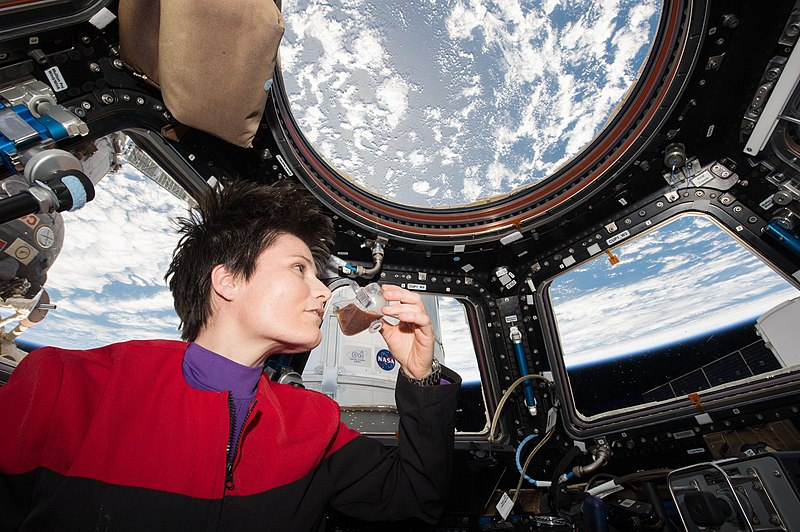
What earthly comfort is most difficult for an astronaut in space to give up? Coffee. That beloved universal elixir has turned the odds. It is an incredible journey from a cup on Earth to zero-gravity brews in space. Researchers, technologists, and even the astronauts teamed up to tackle the challenges of enjoying coffee in microgravity.
So, let’s dip into how this delightful little beverage has grown from a fantasy about one day drinking it in space to a requirement for living on the International Space Station.
Early Days of Space Travel: No Coffee Allowed
When space was explored astronauts were not allowed to take certain things to space. The main focus was on nutrition and hydration over comforts like coffee. Spacecraft like Mercury and Gemini were tightly packed, leaving no room for luxuries.
Liquids posed a unique challenge in microgravity. They could float freely, which is dangerous for both equipment and crew. For these reasons, it is impossible to include beverages like coffee in them. Astronauts relied on a limited diet of dehydrated foods and powdered drinks.
The coffee lovers keenly felt the absence of coffee. And there the game starts.
The First Step: Instant Coffee in Space
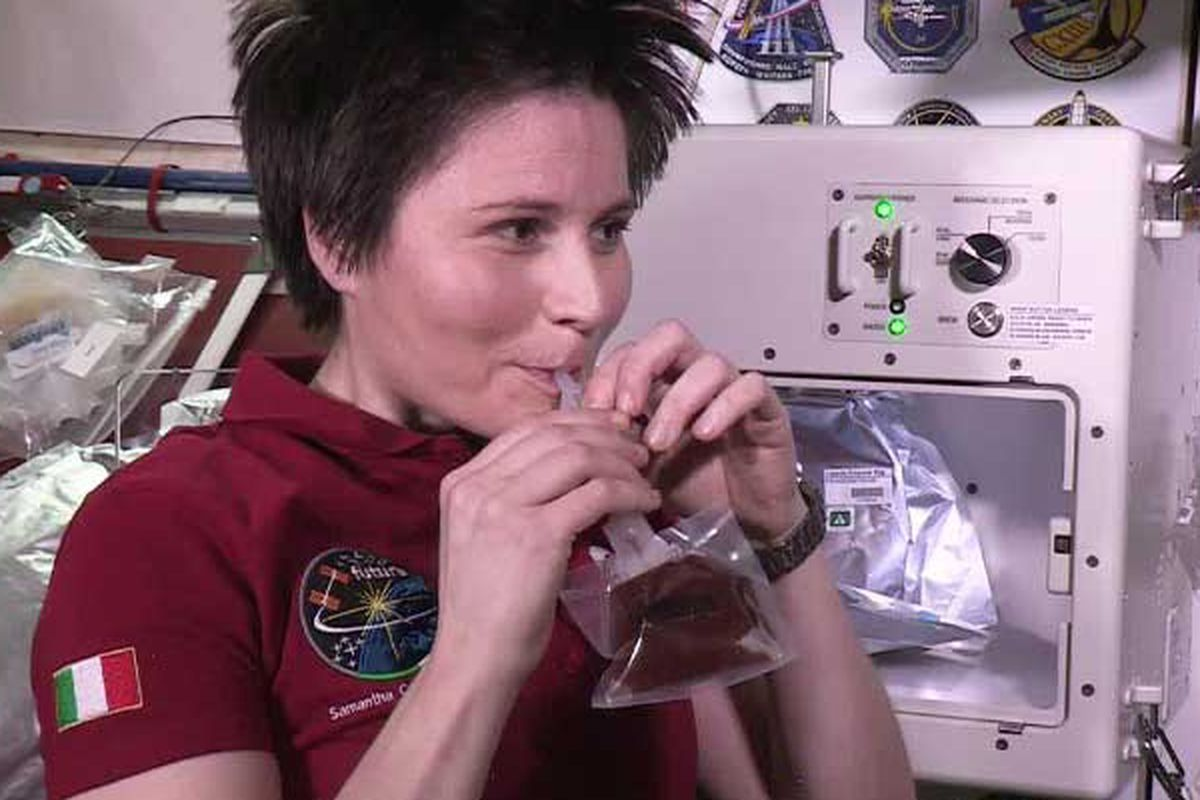
During the Gemini and Apollo missions, coffee made its way to space. But in an instant form, a sealed pouches with straws. The purpose of this innovation was to prevent liquid from escaping in zero gravity.
Astronaut Buzz Aldrin described sipping instant coffee through a straw during the Apollo 11 mission. A remarkable invention in its convenience but lack of flavour. Instant coffee provides a semblance of normalcy, but it does not feel like a fresh brew. On May 3, 2015, Amantha Cristoforetti reported the first espresso in space. Italian astronaut Samantha Cristoforetti gets to taste freshly made coffee for the first time in space on Sunday (May 3) aboard the International Space Station where a new espresso maker was used to make the coffee.
"Coffee: ”It’s the best organic suspension ever created, ” Kathryn Janeway of ‘Star Trek Voyager’ European Space Agency astronaut said in a tweet. "To boldly brew…"
Although primitive by today’s standards, this marked an important milestone: coffee had become part of space expeditions which only went to show that human beings no matter what surroundings they were placed in needed that, Morning Cup of Coffee.
The Space Age Brew Revolution
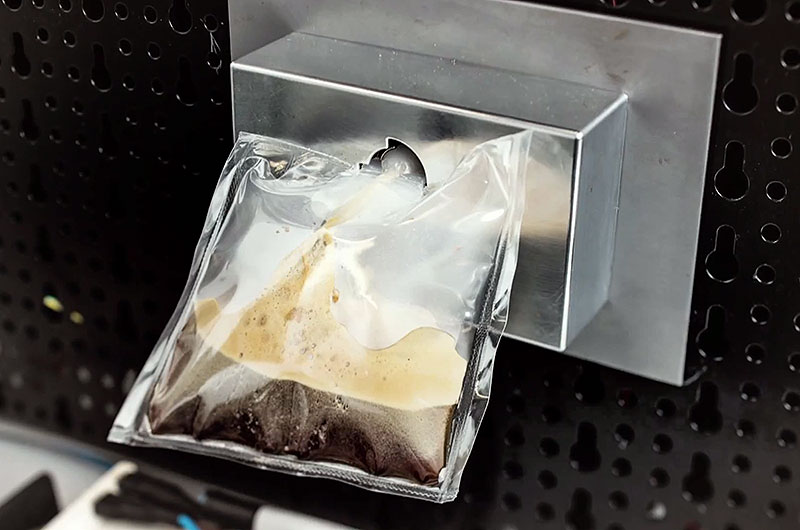
As space missions grew longer and more sophisticated, the demand for real coffee intensified. Astronauts aboard the ISS wanted more than just instant coffee, they wanted the full sensory experience of a freshly brewed cup.
This demand led to the creation of the ISSpresso machine, a collaboration between NASA, the Italian Space Agency, and Lavazza. Introduced in 2015, this revolutionary system uses specially designed coffee capsules and an intricate brewing process to ensure safety and functionality in microgravity.
The ISSpresso works by heating water to the perfect temperature and forcing it through coffee grounds under pressure. The brewed coffee is then delivered into a zero-gravity coffee cup or a sealed pouch for astronauts to enjoy. This not only improves the taste but also brings a sense of normalcy and comfort to life in space.
Coffee Culture in Space: Beyond Necessity
Coffee is more than just a beverage it is a psychological necessity while aboard the ISS. In long missions, it plays the role of a stress-reducing mechanism and serves as a break from isolation.
For international crews, coffee serves as a unifying element. Russian cosmonauts, American astronauts, and European researchers often gather around their zero-gravity brews to share stories and bond. This cultural exchange highlights how coffee transcends borders—even when orbiting Earth.
Aboard the ISS, coffee represents more than sustenance; it’s a bridge to home and a symbol of collaboration in the pursuit of space exploration.Yesterday, today, and tomorrow’s coffee were exhibited by astronauts on the International Space Station using the pouch method in drinking coffee and the Space Cup invented for the real science of fluid physics in space. From the left to the right in the front row, the crew members include Michael Finke and Chris Ferguson, and at the back row, from the left side to the right side; Eric Boe and Donald Pettit. (NASA)
Challenges and Innovations in Brewing Coffee in Microgravity
Brewing coffee in space is not an easy task. Hot liquids and high-pressure systems can be dangerous in microgravity, requiring innovative solutions to ensure safety.
One breakthrough is the zero-gravity coffee cup, designed to mimic the way liquids behave on Earth. This cup uses surface tension to guide coffee to the astronaut’s mouth, eliminating the need for straws.
Possible future advancements include automatic brewing equipment and environmentally friendly approaches. This will help to provide for interplanetary exploration, like, the cultivation of coffee trees in space. These will be important as we are preparing for deep-space exploration. In these regions, coffee will help boost the morale of the astronauts.
Future innovations could include automated brewing systems and sustainable solutions for long-term missions, such as growing coffee plants on spacecraft. These advancements will be crucial as we prepare for deep-space exploration, where coffee could play a role in maintaining morale on journeys to Mars and beyond.
Discover more about zero-gravity coffee innovations.
The Future of Coffee in Space
Looking into the future and as humanity targets the lunar space, Mars, and other celestial bodies, coffee will not be far behind. Scientists are trying to adapt local crops, such as coffee plants, to germinate and yield in other environments, mainly for future long-term space missions.
But coffee’s place in space exploration isn’t only functional; it’s also aspirational. It symbolizes our spirit to take it with us wherever we go in space.
Conclusion
One can say that it is due to the belief and incredible advancement of mankind that this beverage, from Earth, has found its way into space.
Everything from instant pouches to advanced brewing technologies such as ISSpresso, has been developed to combat the issues of microgravity.
While sitting and enjoying our coffee deep in the night with the stars shining above, there is always that feeling that no matter how big the world is, there are simple things that make us feel at home while dreaming big.
Elevate Your Coffee Experience — Shop Now
While sitting and enjoying our Mutombo Coffee deep in the night with the stars shining above, there is always that feeling that no matter how big the world is, there are simple things that make us feel at home while dreaming big. Shop Now!
References
https://www.businessinsider.com/astronaut-food-in-space-timeline-2019-7
https://www.nasa.gov/mission_pages/station/research/experiments/1057.html
https://www.mutombocoffee.com/