Art as a Form of Reincarnation and a Chronicle of Accidental Encounters
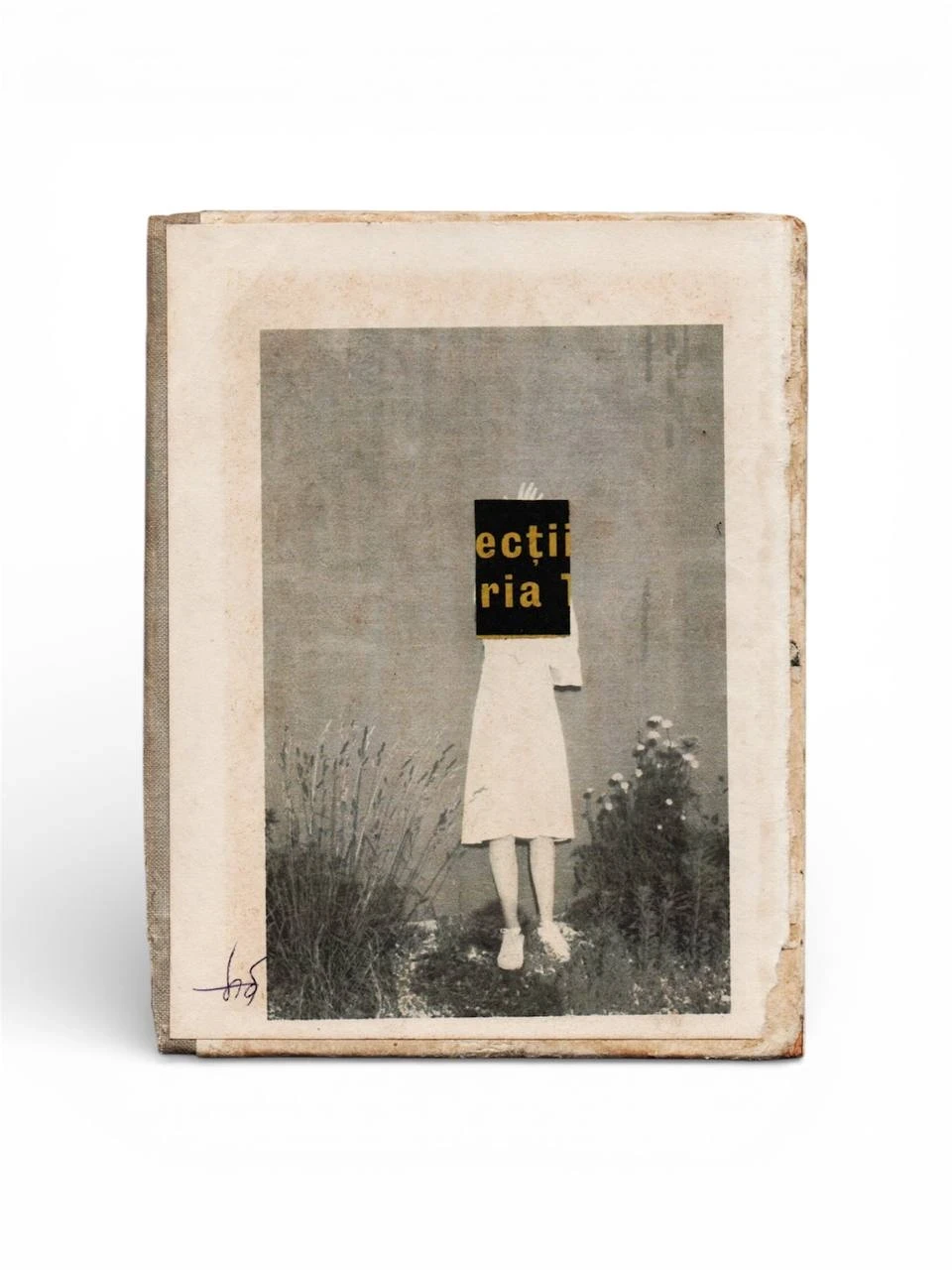
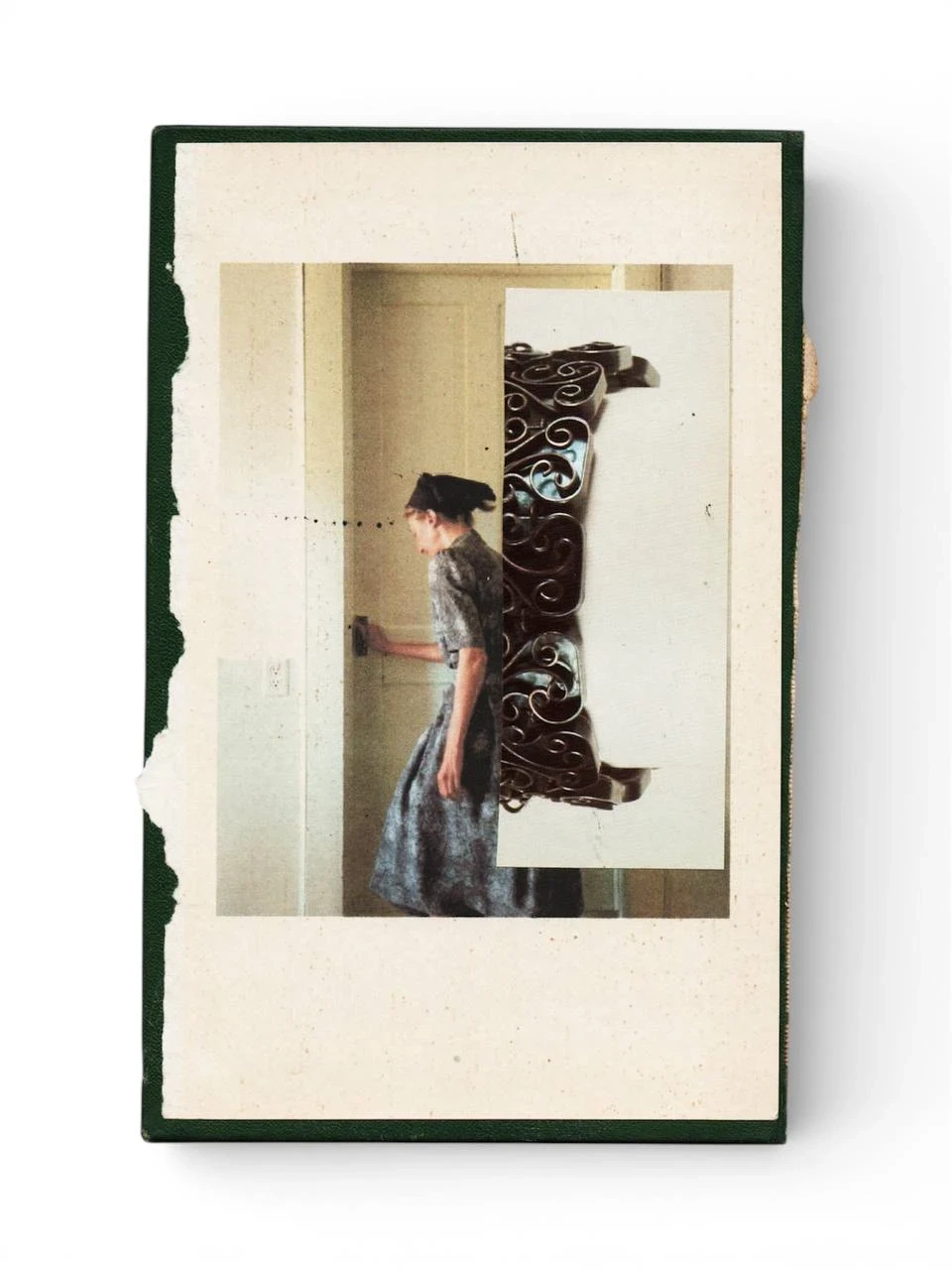
Within the realm of neo-surrealism, working with imagery inevitably transforms into a search for a fragile balance between reality and something deeply irrational. Here, the artist’s conscious gesture collides with the subconscious nature of the material itself. In this context, collage ceases to be merely a technical method; it becomes a form of metaphysics, an almost ritualistic act of extracting an object from the familiar sense of time. Any visual fragment — whether a yellowed photograph or a shred of an old phrase — carries within it the genetic code of its era. Once deprived of its former wholeness, it does not disappear forever, but instead prepares for a sort of artistic reincarnation.
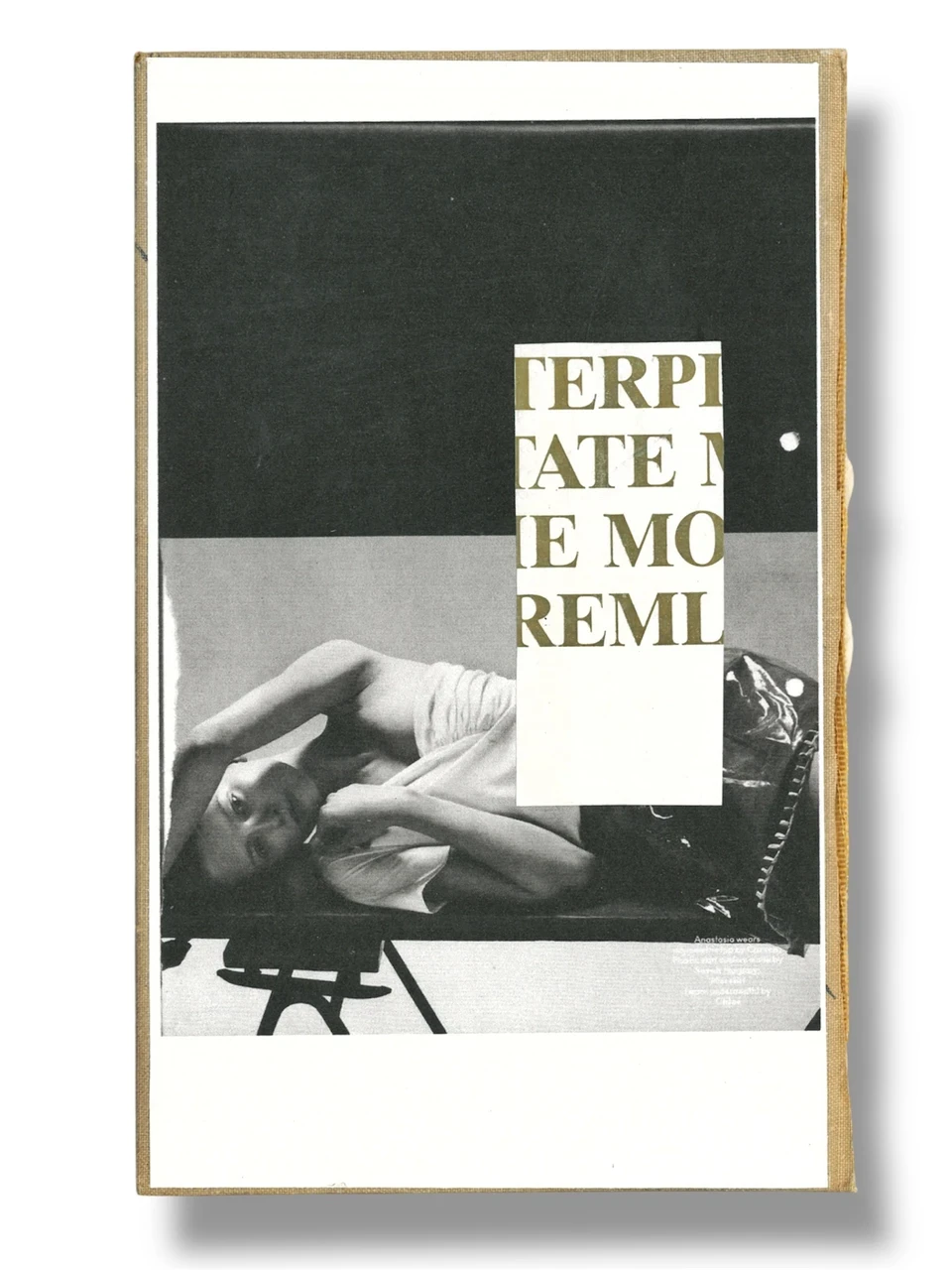
This process resembles a chronicle of strange, sometimes unsettling encounters, where at the intersection of different semantic layers a new reality is born through deliberate incision and the subsequent intertwining of elements. The core of such a practice is not creation from emptiness, but the reconstruction of an already existing world. When an image is cut vertically or horizontally, the artist does not merely destroy its physical form, but releases the hidden potential contained within it. At that very moment, a radical shift in meaning occurs.
A silhouette that once belonged to a specific past suddenly finds support within an entirely different environment. When the contour of a human body merges with the texture of fire or a silent natural landscape, that “third” meaning emerges — one impossible to predict. In such a composition, a candle ceases to be a domestic symbol of comfort. It transforms into a metaphor for inner burning or existential search, while the emptiness of the background begins to resonate more powerfully than the filled space itself.
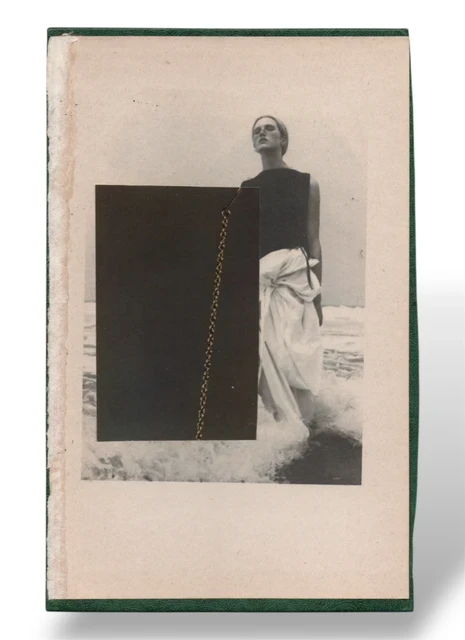
This method resembles the assembly of a complex puzzle whose pieces were never originally intended for one another yet through dialogue acquire a shared destiny. Each element is forced to adapt and mimic its neighbor while preserving the barely perceptible echo of its origin. It is precisely this that creates a sense of recognition that simultaneously unsettles through its mystery.
In this play with perception, the idea always dominates the form. What matters is not so much the object as an aesthetic entity, but the invisible charge that flashes at the boundary between two different worlds. Art here appears as a chronicle of continuous transformations, where a random fragment lives a second life and compels the viewer to realize how our personal perception of reality is constructed from shards of memory and visual coincidences.