Healthy Tea Alternatives You Should Know About
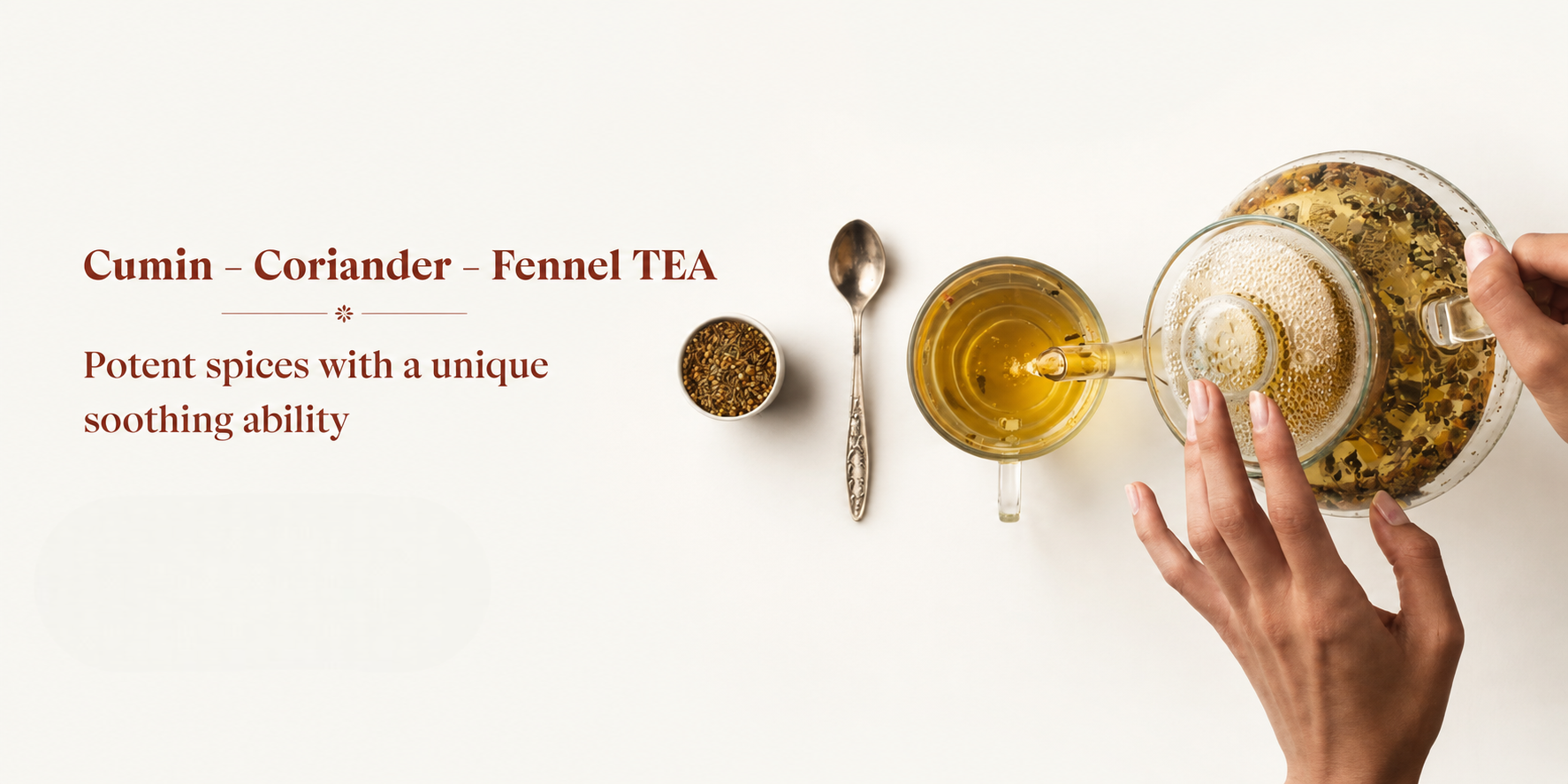
Quick Answer: Healthy tea alternatives are caffeine-free drinks, usually made from dried flowers, leaves or roots, that replace some of your regular chai, coffee or green tea cups without giving up the ritual of a warm drink. Popular Indian choices include chamomile for sleep, hibiscus for antioxidants, moringa for daily nutrition and butterfly pea for a calm, focused cup.
Most of us grew up on masala chai, and for good reason: it’s warm, familiar and part of daily life across Indian households. But not every cup needs to come with caffeine or added sugar, and this is exactly where healthy tea alternatives fit in. Whether you’re an office worker in Mumbai cutting back on your third coffee, a student in Chandigarh trying to sleep better before exams, or simply someone in Chennai looking for a lighter option during the hot months, this guide walks through what these alternatives actually are and how to choose one that suits you.
Why Look Beyond Chai, Coffee and Green Tea
There’s nothing wrong with a cup of masala chai or a strong filter coffee. The issue is usually one of quantity and timing. Many Indian consumers drink chai or coffee multiple times a day, which adds up in caffeine and, often, sugar. Over time, this can affect sleep quality, especially for anyone drinking their last cup late in the evening.
India’s climate plays a role too. In the humid stretches of Kolkata or Chennai, a heavy, milky chai isn’t always what the body wants, while the dry winters of Jaipur or Delhi call for something warming without extra caffeine to keep you up at night. Ayurveda has always recognised this, pairing different herbs with different seasons and needs rather than treating every drink the same way.
There is also a shift happening in how Indian consumers think about ingredients generally. Reading a food label carefully, checking for added sugar, and asking what’s actually inside a packet has become far more common, whether at the grocery store or when ordering online. That same curiosity is now extending to what’s in the cup. A generic "herbal tea" label used to be enough; today, more people want to know whether a blend is meant for sleep, digestion, focus, or something else entirely, and whether it fits into their existing food habits rather than working against them.
What Counts as a Healthy Tea Alternative?
A healthy tea alternative is generally any hot drink made without tea leaves or coffee beans, brewed instead from herbs, flowers, roots or spices. This includes both traditional Indian preparations and newer herbal infusions.
Featured Snippet Definition
Healthy tea alternative (noun): a caffeine-free or low-caffeine drink, typically made by steeping dried herbs, flowers or roots in hot water, chosen as a substitute for regular tea or coffee.
Healthy Tea Alternatives vs Traditional Indian Drinks
It’s worth comparing modern herbal infusions with drinks that are already part of most Indian kitchens, since they often serve overlapping purposes.
DrinkCaffeineBest TimeMain UseMasala ChaiYesMorningEnergy, comfortGreen TeaYes (lower)Morning to afternoonMetabolism, antioxidantsKadhaNoAny time, especially cold seasonImmunity supportTulsi TeaNoAny timeEveryday wellnessLemon Ginger TeaNoMorningDigestionHerbal Infusion AlternativesNoMorning to night, goal-dependentSleep, skin, focus, detox, heart, hormone balance
The advantage of a dedicated herbal infusion over a home-brewed kadha is convenience and consistency. Pyramid tea bags are pre-measured, which matters on a busy weekday when boiling fresh spices isn’t realistic.
Best Healthy Tea Alternatives for Common Everyday Needs
Rather than choosing at random, it helps to start with what you actually want the drink to do for you.
For Better Sleep
If evening screen time and a racing mind are keeping you up, a chamomile-based blend is one of the most traditional and gentle options. The Easy Sleep Chamomile Infusion works well as a wind-down ritual an hour before bed.
For Weight Management and Metabolism
Many people reaching for healthy tea alternatives are trying to cut back on sugary drinks while supporting an active lifestyle. The Daily Slim & Active Infusion is formulated with this goal in mind.
For Heart Health
Cardiovascular wellness is a growing concern for many Indian families, particularly given how common a sedentary office routine has become. The Happy Heart Infusion is built around everyday heart-supportive herbs.
For Balanced Blood Sugar Habits
For those mindful of their sugar intake, particularly after festival season indulgence, the Gluco Sugar Balance Infusion offers a caffeine-free option that fits into a broader, doctor-guided routine.
For Digestion and Gentle Detox
After a heavy meal, whether it’s a wedding feast or Diwali sweets, a lighter digestive blend can help. The Happy Liver & Body Detox Infusion is designed for exactly this kind of everyday reset.
For Antioxidants and Skin Support
Hibiscus has become one of the most popular Indian herbs for this purpose, offering a naturally tart, refreshing brew rich in antioxidants. The Hibiscus Glow Infusion and Skin Glow Infusion are both worth exploring here.
For Everyday Nutrition
Moringa has long been valued in Indian nutrition traditions, and as an infusion it becomes far easier to include daily. The Moringa Superfood Infusion is a practical way to try it.
For Focus and a Calm Mind
Students and desk workers often want something calming that doesn’t come with a caffeine crash later. The Pure Focus Butterfly Pea Infusion is a favourite for this exact reason, alongside floral options like the Jasmine Uplift Infusion and Rosy Glow Rose Infusion.
For Women’s Wellness
Cycle regularity, hormone balance and stress relief are common concerns that a general "herbal tea" label rarely addresses directly. The Lady Bloom Infusion is formulated specifically around these needs.
Making the Switch Last: Practical Habits for Indian Homes
A new drink is easy to try once and forget about within a fortnight. What makes healthy tea alternatives stick as a genuine habit usually comes down to a few small, practical adjustments rather than willpower alone.
- Keep your blend visible, in the same spot on the kitchen counter where your regular tea leaves or coffee jar usually sit, so it becomes the obvious choice rather than an extra step.
- Prep for the week on a Sunday, portioning out pyramid tea bags into a small tin near your desk if you work from home, or into your office bag if you commute across Delhi, Bengaluru or Mumbai traffic.
- Pair it with an existing habit, such as drinking a calming blend right after your evening walk, or a floral infusion alongside your usual post-lunch break.
- Involve the whole family where possible, since trying a new hibiscus or rose blend together after dinner often works better than a solo effort.
- Adjust for the season, leaning towards warming blends in winter across northern cities like Chandigarh and Jaipur, and cooling, cold-brewed options through the summer in Chennai or Ahmedabad.
None of these habits require major lifestyle changes. They simply make the healthier option the easier one, which tends to matter far more than motivation on a tiring weekday.
How to Switch from Chai or Coffee to a Healthy Tea Alternative
A sudden, complete switch rarely sticks. A gradual approach tends to work far better for most people.
- Replace just one cup a day first, ideally your last cup of chai or coffee in the evening.
- Choose a blend that matches a specific need, such as sleep or digestion, so the swap feels purposeful rather than restrictive.
- Keep your usual routine, like the timing and cup you use, so the ritual still feels familiar.
- Give it two to three weeks before deciding whether it’s working, rather than judging after a single cup.
- Rotate two or three blends across the week to keep things interesting and avoid getting bored of one flavour.
Buying Guide: Choosing Genuinely Healthy Tea Alternatives
With more brands entering this space, it’s worth knowing what separates a good herbal wellness infusion from one that’s mostly marketing.
Beginner’s Buying Checklist
- ✔ Ingredients are named clearly on the pack, not hidden behind vague terms
- ✔ No artificial flavouring, colouring or added sugar unless clearly stated
- ✔ Freshness is visible through a clear best-before date
- ✔ The blend matches a specific, believable purpose
- ✔ The brand is easy to reach for questions or feedback
- ✔ Packaging protects the herbs from moisture, especially important in humid Indian storage conditions
Pros and Cons of Switching to Healthy Tea Alternatives
ProsConsNaturally caffeine-free, better for eveningsFlavour is milder than a strong masala chaiWide variety for different personal goalsQuality and freshness vary between brandsEasy to prepare with pyramid tea bagsNot a substitute for medical treatmentFits most budgets and daily routinesSome herbs aren’t suitable during pregnancy
Expert Tips
- Steep herbal blends for five to eight minutes, longer than you would for regular tea, to get the full flavour.
- Cover your cup while steeping so aromatic compounds don’t escape as steam.
- Cold-brew a floral or hibiscus blend overnight in the fridge for a refreshing option during Indian summers.
- Store all dried herbs away from your stove and direct sunlight to protect their potency.
Common Mistakes to Avoid
- Expecting an identical taste to chai, when herbal infusions are meant to offer a different, lighter experience rather than a direct replica.
- Switching everything at once, which often leads to giving up within a week.
- Using boiling water straight off the flame for delicate flowers, which can make the brew taste flat.
- Buying unlabelled loose herbs without knowing their source or freshness.
- Assuming any herbal drink replaces medical advice, particularly for blood sugar or blood pressure concerns.
Healthy Tea Alternatives by Lifestyle
- Office workers in Bengaluru and Pune often replace their 4pm coffee with a calming floral or focus blend.
- Students in Hyderabad and Chandigarh use caffeine-free evening blends during exam season to protect their sleep.
- Fitness enthusiasts in Jaipur and Ahmedabad pair detox or metabolism-focused infusions with their training routines.
- Indian families often keep a digestive blend on hand for the days after a festival meal.
Summary: Healthy Tea Alternatives at a Glance
GoalSuggested AlternativeBetter sleepChamomile infusionWeight and metabolismSlim & Active infusionHeart healthHappy Heart infusionBlood sugar habitsGluco Sugar Balance infusionDigestion and detoxLiver & Body Detox infusionSkin and antioxidantsHibiscus or Skin Glow infusionFocus and calmButterfly pea infusionWomen’s wellnessLady Bloom infusion
Frequently Asked Questions About Healthy Tea Alternatives
What are the best healthy tea alternatives for beginners?
Mild, familiar flavours like hibiscus or chamomile are usually the easiest healthy tea alternatives to start with.
Are healthy tea alternatives caffeine-free?
Most are, since they’re made from herbs, flowers or roots rather than tea leaves or coffee beans.
Can I replace my morning chai completely?
You can, though most people find it easier to replace just one cup at a time rather than switching everything at once.
Which healthy tea alternative is best for sleep?
Chamomile-based blends are a traditional, gentle choice for winding down in the evening.
Is green tea a healthy tea alternative?
Green tea is a lower-caffeine option compared to chai or coffee, but it still contains caffeine, unlike most herbal infusions.
How is kadha different from a herbal infusion?
Kadha is typically boiled fresh from raw spices at home, mainly during cold and flu season, while a herbal infusion is a pre-measured, ready-to-steep blend for everyday use.
What is the best herbal infusion in India for weight management?
Blends formulated around metabolism support, like the Daily Slim & Active infusion, are commonly chosen for this goal.
Can students drink healthy tea alternatives during exams?
Yes, caffeine-free calming blends can be a useful evening alternative to extra cups of coffee during revision.
Are healthy tea alternatives safe every day?
Most single-herb infusions are suitable for daily use in moderation, though it’s wise to rotate blends and check with a doctor for specific conditions.
Where can I buy healthy tea alternatives online in India?
Look for a brand that lists ingredients clearly and ships freshly packed blends, such as Sage & Soul.
Do healthy tea alternatives taste like regular tea?
Not exactly. Most are lighter and more floral or herbal, since they don’t contain any actual tea leaf.
Can pregnant women drink herbal tea alternatives?
Some herbs aren’t recommended during pregnancy, so it’s best to check with a doctor before trying a new blend.
What’s the healthiest tea alternative for daily antioxidants?
Hibiscus is one of the most popular choices for this, offering a naturally tart, antioxidant-rich cup.
How long should I steep a healthy tea alternative?
Most herbal blends need five to eight minutes, covered, for the fullest flavour.
Can I drink herbal tea alternatives cold?
Yes, many blends, especially hibiscus and rose, work well cold-brewed for a refreshing summer drink.
Do healthy tea alternatives help with digestion?
Blends built around digestive herbs are commonly used after heavy meals, though they work best as part of a balanced diet rather than a standalone fix.
Final Takeaway
You don’t need to give up chai altogether to enjoy the benefits of healthy tea alternatives. Start by swapping just one cup a day for a blend that matches something you actually want, whether that’s calmer evenings, easier digestion or a lighter afternoon pick-me-up, and give it a few weeks to become a natural part of your routine.
Ready to find your alternative? Explore the Sage & Soul range of Sage & Soul Herbal Infusion blends, or browse the Sage & Soul Wellness Collection to find the one that fits your day.
Follow Sage & Soul on Instagram, YouTube, Pinterest and X for more everyday wellness tips, or write to us at mysagensoulsocial@gmail.com.
