The Ultimate Herbal Tea Comparison Guide
Quick Answer: This herbal tea comparison guide breaks down how caffeine-free herbal infusions such as chamomile, hibiscus, tulsi and moringa compare with everyday Indian drinks like masala chai, green tea and kadha, so you can choose the right cup for sleep, digestion, skin, weight management or daily energy.
If you have ever stood in front of a shelf of tins wondering which one to pick, this herbal tea comparison guide is written for you. Across India, from Delhi’s dry winters to Chennai’s humid afternoons, more people are swapping their third cup of coffee for something gentler on the body. A herbal tea is simply an infusion made from flowers, leaves, roots or spices rather than the tea plant itself, which means most varieties are naturally caffeine-free. This guide compares the most popular herbal infusions available in India today against familiar favourites such as masala chai, green tea, kadha, tulsi tea and lemon ginger tea, so you can match the right blend to your goals, whether that is better sleep, a calmer stomach or simply a healthier daily habit.
Throughout this guide we will reference practical, India-first examples: office workers in Bengaluru reaching for a mid-afternoon pick-me-up, students in Pune preparing for exams, and families in Jaipur keeping a kadha ready during the monsoon. Wherever it helps, we will also point you towards specific blends from the Sage & Soul range, so the comparisons stay grounded in real products rather than vague theory.
What Is Herbal Tea? A Simple Definition
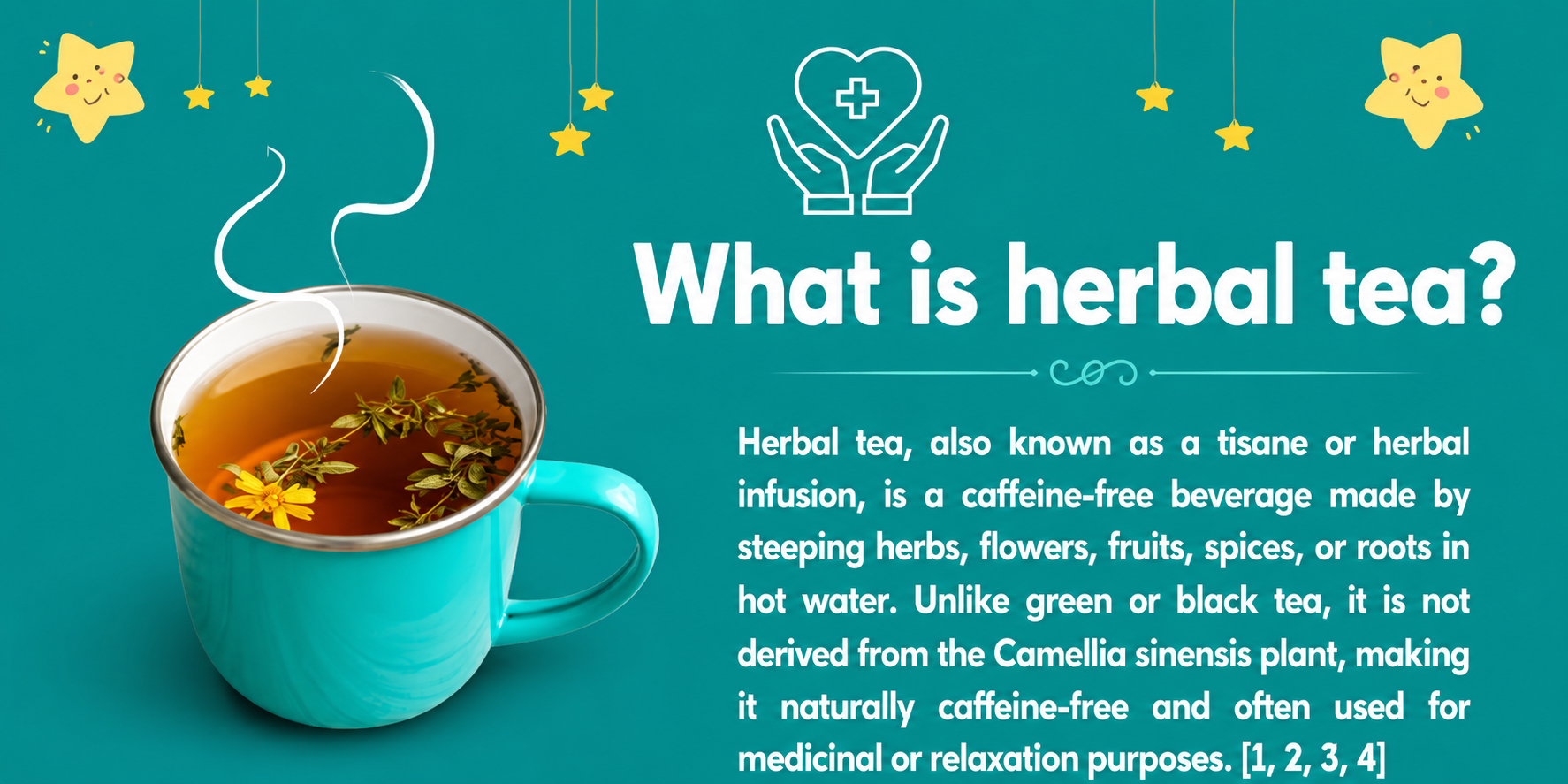
Herbal tea, more accurately called a herbal infusion or tisane, is a hot water extraction of dried flowers, leaves, roots, seeds or bark. Unlike black, green or oolong tea, it does not come from the Camellia sinensis plant, so true herbal teas contain no caffeine at all. Common examples include chamomile flower, hibiscus, rose, jasmine, tulsi and butterfly pea flower. In India, herbal infusions sit alongside older traditions such as Ayurveda, where herbs and spices have long been used in home remedies, kadha and everyday cooking.
Herbal Tea vs Traditional Indian Drinks: The Comparison Table
Before choosing a blend, it helps to see how herbal infusions stack up against the drinks already in most Indian kitchens. The table below compares caffeine content, primary purpose and best time to drink for each option.
DrinkCaffeineBest ForBest Time to DrinkHerbal Tea (e.g. Chamomile, Hibiscus)NoneRelaxation, sleep, skin, digestionEvening or anytimeMasala ChaiModerate to HighEnergy, warmth, comfortMorning or eveningGreen TeaModerateMetabolism, antioxidantsMorning, between mealsKadhaNone (usually)Immunity, cold and cough reliefMorning, during illnessTulsi TeaNoneStress relief, respiratory supportMorning or eveningLemon Ginger TeaNoneDigestion, nausea reliefAfter meals
What stands out immediately is that most Indian home remedies, including kadha and tulsi tea, already share the caffeine-free profile of Western-style herbal infusions. This is one reason herbal tea has settled so naturally into Indian households rather than feeling like an imported trend.
Types of Herbal Infusions and What They Are Used For
Not all herbal teas do the same job, and this is where most first-time buyers get overwhelmed. A tin labelled simply "herbal tea" tells you very little; what matters is the specific herb or flower inside and the purpose it is traditionally used for. Below is a practical breakdown of popular varieties, matched to common goals, so you can shop with intention rather than guesswork. A genuinely premium herbal infusion in India will usually make this purpose clear on the label itself.
Chamomile for Sleep and Calm
Chamomile flower infusion is widely reached for at bedtime because of its gentle, floral character and its reputation as a wind-down ritual before sleep. It suits office workers and students alike who want a caffeine-free evening habit. Sage & Soul’s Easy Sleep Chamomile Flower Infusion is built around this exact use case.
Hibiscus for Antioxidants and Glow
Hibiscus is prized for its tart flavour and its status as a rich source of antioxidants. Many Indian consumers, particularly in warmer cities like Chennai and Hyderabad, enjoy it chilled as a refreshing alternative to sugary drinks. The Hibiscus Glow Infusion combines this floral base with immunity-focused ingredients.
Tulsi for Everyday Wellness
Tulsi tea holds a special place in Indian households, often grown in courtyards and used long before packaged herbal tea existed. It is commonly reached for during seasonal changes, especially in Delhi and Chandigarh where winters bring frequent coughs and colds.
Jasmine and Rose for Mood
Floral infusions like jasmine and rose are chosen less for a specific health outcome and more for the calming ritual of drinking something fragrant. Sage & Soul’s Jasmine Uplift Infusion and Rosy Glow Rose Infusion fit an after-dinner or work-break slot well.
Moringa and Butterfly Pea for Functional Support
Moringa is often described as a superfood because of its nutrient density, making it popular with fitness enthusiasts in Mumbai and Bengaluru who want more from their cup than flavour alone. Butterfly pea flower, known for its striking blue colour, is another antioxidant-rich option gaining traction across India as a visually distinctive alternative to green tea.
Targeted Wellness Blends
Beyond single-herb infusions, Sage & Soul also offers goal-specific blends such as the Daily Slim & Active Infusion for weight management, the Happy Heart Infusion for cardiovascular support, the Happy Liver & Body Detox Infusion and the Lady Bloom Women’s Wellness Infusion. Together these form part of the broader Sage & Soul Wellness Collection.
Herbal Tea Benefits for the Indian Lifestyle
India’s climate and daily routines shape how herbal tea fits into life here. During humid Mumbai summers, a chilled hibiscus infusion offers a refreshing break from sugary cold drinks. In Delhi’s dry winters, warming blends with tulsi or ginger support the same seasonal instincts that drive kadha consumption. Office workers across Bengaluru and Pune often reach for a caffeine-free infusion in the afternoon to avoid the jittery crash that follows a third or fourth coffee. Students preparing for exams frequently look for calming, non-stimulant options in the evening, while fitness enthusiasts in Chennai and Hyderabad favour antioxidant-rich blends such as hibiscus or moringa as part of a broader wellness routine. Herbal tea also finds a natural place during Indian festivals, when families often look for lighter, gut-friendly drinks after heavier festive meals.
Herbal Tea and Indian Food Habits
Indian food habits tend to be rich in spice, oil and festive sweets, which is part of why lighter, herb-based drinks have found such a natural home here. After a heavy Sunday thali or a plate of Diwali sweets, many families already reach for something simple like jeera water or a light kadha to settle the stomach. Herbal tea slots into that same instinct. A lemon ginger infusion after a meal, for instance, mirrors the digestive role that ginger already plays in Indian cooking. In cities like Kolkata and Ahmedabad, where street food culture is strong, an evening herbal infusion is often used as a gentle counterbalance to a day of richer eating rather than as a replacement for it.
Indian weather also plays a real role in what people reach for. During the pre-monsoon heat in cities such as Chennai and Hyderabad, chilled hibiscus or butterfly pea infusions are popular for their cooling, refreshing character. Once the monsoon arrives and humidity climbs, warming blends with tulsi or ginger regain favour, much as kadha does during the same season. In the colder months across Delhi, Chandigarh and Jaipur, a warm cup of herbal tea in the evening becomes part of the same seasonal ritual that already surrounds masala chai, just without the caffeine hit before bed.
Buying Guide: How to Choose the Best Herbal Infusion in India
With so many tins and boxes on the market, a structured approach helps. Indian consumers now have far more choice than even five years ago, from imported tisanes to homegrown brands, so it is worth slowing down before you buy rather than picking whatever is cheapest on a shelf. Consider the following before you buy.
- Identify your goal first. Sleep, digestion, skin, weight management and general wellness each point to a different herb.
- Check for whole ingredients. An organic herbal infusion made with whole flowers or leaves generally offers a fuller flavour than dust-grade fillings in standard tea bags.
- Look at sourcing and freshness. Premium herbal infusion brands in India will usually state origin and harvest information on the packaging.
- Match the format to your routine. Pyramid tea bags suit busy office days, while loose leaf suits a slower weekend ritual.
- Read the full ingredient list. Some blends combine multiple herbs, so check nothing conflicts with medication you may already be taking.
- Buy from a trusted source. When you buy herbal infusion online in India, choose brands transparent about sourcing, such as the range at Sage & Soul.
Pros and Cons of Herbal Tea
ProsConsNaturally caffeine-free, suitable for evening drinkingFlavour is milder than masala chai for some palatesWide variety to match specific goalsQuality varies widely between brandsFits easily into Ayurvedic and traditional routinesNot a substitute for medical treatmentOften lower in added sugar than flavoured cold drinksSome herbs unsuitable during pregnancy without medical advice
Expert Tips for Brewing Herbal Tea
- Use freshly boiled water just off the boil, around 90-100°C, for most flower and leaf infusions.
- Steep for 5-7 minutes; flowers like chamomile and hibiscus benefit from a slightly longer steep than green tea.
- Cover your cup while steeping to retain the aromatic oils that carry much of the flavour.
- Store loose leaf and whole-flower blends in an airtight tin away from direct sunlight to preserve freshness.
- Avoid adding milk to floral or fruit-based infusions, as it can dull the natural flavour.
Herbal Tea Buying Checklist
- Have you identified your main wellness goal?
- Does the packaging list whole ingredients rather than "flavouring"?
- Is the brand transparent about sourcing and origin?
- Does the format (bags or loose leaf) suit your daily routine?
- Have you checked for any herbs that may interact with existing medication?
- Are you buying from a source that ships reliably across India?
Summary Table: Herbal Tea, Green Tea and Masala Chai
FeatureHerbal TeaGreen TeaMasala ChaiCaffeineNoneModerateModerate-HighTypical UseSleep, digestion, skin, calmMetabolism, antioxidantsEnergy, comfortBest TimeAnytime, especially eveningMorningMorning or eveningFlavour ProfileFloral, fruity, earthyGrassy, slightly bitterSpiced, milky, sweet
Frequently Asked Questions
What is the difference between herbal tea and regular tea?
Regular tea, including green and black tea, comes from the Camellia sinensis plant and contains caffeine. Herbal tea is made from other plants, flowers or roots and is typically caffeine-free.
Is herbal tea good for daily drinking?
Most herbal infusions are suitable for daily drinking, though it is sensible to vary the herbs you use rather than relying on one blend continuously, and to check with a doctor if you are pregnant or on medication.
Which herbal tea is best for sleep?
Chamomile flower infusion is one of the most widely used herbal teas for an evening wind-down routine.
Which herbal tea is best for skin?
Hibiscus and rose infusions are popular choices thanks to their antioxidant content, often paired with a broader skincare and hydration routine.
Can herbal tea help with weight management?
Some blends, such as those combining metabolism-supporting herbs, are marketed for weight management as part of a balanced diet and active lifestyle, though no tea replaces overall dietary habits.
Is herbal tea part of Ayurveda?
Many herbs used in modern herbal tea blends, such as tulsi and ginger, have long-standing roots in Ayurveda and traditional Indian home remedies.
How is kadha different from herbal tea?
Kadha is a traditional Indian decoction, usually boiled longer with spices like ginger, turmeric and black pepper, and is typically taken during illness rather than as a daily beverage.
Is tulsi tea a type of herbal tea?
Yes, tulsi tea is a herbal infusion and one of the most widely consumed varieties across Indian households.
Does herbal tea contain caffeine?
True herbal teas, made from flowers, leaves or roots other than the tea plant, do not contain caffeine.
What is the best herbal infusion in India for beginners?
Chamomile or tulsi are gentle starting points, offering familiar, mild flavours before exploring more distinctive blends like hibiscus or butterfly pea.
Can students drink herbal tea while studying?
Yes, caffeine-free herbal teas are a suitable choice for students who want a calming break without the stimulant effect of coffee or chai.
Is organic herbal infusion better than regular herbal tea?
Organic herbal infusion is grown without synthetic pesticides, which many Indian consumers prefer, though quality also depends on sourcing and freshness rather than the organic label alone.
How do I store herbal tea to keep it fresh?
Keep it in an airtight container away from heat, light and moisture, ideally used within six to twelve months of opening.
Can I drink herbal tea instead of masala chai every morning?
You can, though many people in India prefer to keep masala chai for its energising quality and use herbal tea later in the day for a calmer, caffeine-free option.
Where can I buy herbal infusion online in India?
Reputable wellness brands, including Sage & Soul, ship a range of herbal infusions across major Indian cities.
Is herbal tea suitable during Indian festivals?
Yes, lighter herbal infusions are often welcomed after heavier festive meals as a gentle, digestive-friendly choice.
What is the healthiest herbal tea for daily use?
There is no single "healthiest" option; it depends on your goal, whether that is sleep, digestion, skin or general wellness, so rotating a few trusted blends is a practical approach.
Final Takeaway
There is no single winner in this herbal tea comparison guide, because the right cup depends entirely on what you need that day. Masala chai and green tea still have their place for energy and antioxidants, kadha remains a trusted seasonal remedy, and caffeine-free herbal infusions like chamomile, hibiscus and tulsi fill the gaps around sleep, calm and daily wellness. What matters most is choosing quality ingredients and matching the blend to your goal, rather than picking at random.
If you would like to explore this further, take a look at the Sage & Soul range of herbal infusions, built around real wellness goals for Indian households, from easy sleep to daily detox and everything in between.
Follow Sage & Soul: Instagram | YouTube | Pinterest | X (Twitter)
Email: mysagensoulsocial [at] gmail.com
