Top Reasons Health Experts Recommend Herbal Infusions for Everyday Wellness
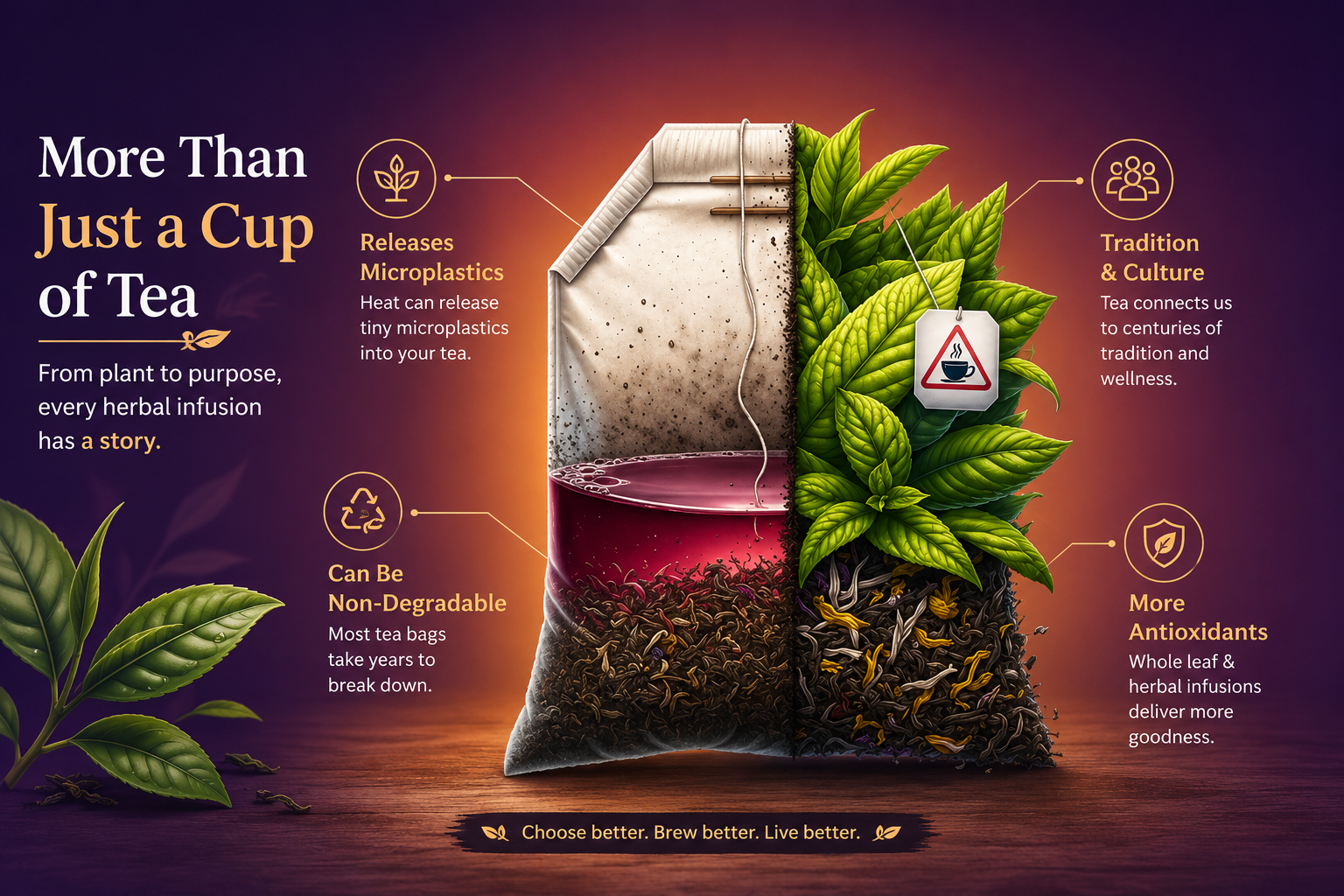
Nutritionists, Ayurvedic practitioners, and wellness coaches across India have been saying much the same thing for a while now: what you drink between meals matters almost as much as what you eat. This is exactly why herbal infusions for everyday wellness keep coming up in that advice. They are simple, caffeine-free, and rooted in botanicals Indian households already recognise. In this guide, we look at the actual reasons experts tend to favour herbal infusions, how they compare with familiar drinks like masala chai and kadha, and how a considered brand like Sage & Soul fits into that picture.
Quick Answer: Wellness experts generally favour herbal infusions because they are naturally caffeine-free, low in additives, easy to fit into a daily routine, and built on botanicals with a long history in Indian herbal tradition. They are considered a supportive habit rather than a treatment, best enjoyed alongside a balanced diet and, where needed, proper medical advice.
What Do Experts Actually Mean by "Herbal Infusion"?
A herbal infusion is hot water steeped with flowers, leaves, or roots that contain no tea leaf at all, which is why it carries no natural caffeine. This distinguishes it clearly from green tea or masala chai, both of which use Camellia sinensis. When wellness practitioners recommend a herbal infusion, they usually mean something specific and named, such as chamomile, hibiscus, or tulsi, not a vague "detox tea" with an unclear ingredient list.
This distinction matters. Indian consumers have grown more cautious about products making bold claims without substance behind them, and rightly so. A credible infusion is transparent about what is inside the bag and honest about what it can realistically offer, which is gentle, daily support rather than a cure for anything.
Top Reasons Herbal Infusions Get Recommended for Everyday Wellness
1. They Are Naturally Caffeine-Free
This is usually the first point raised. Many Indian consumers already drink two or three cups of chai or coffee before noon. A caffeine-free infusion in the afternoon or evening avoids adding to that load, which supports better sleep and steadier energy through the day.
2. They Support Hydration Without Added Sugar
Plain water gets repetitive for many people. A herbal infusion, hot or chilled, offers a flavourful way to stay hydrated without reaching for sugary soft drinks, which is particularly relevant during India’s warmer months in cities like Chennai and Ahmedabad.
3. The Ingredients Are Rooted in Familiar Ayurvedic Practice
Ingredients like tulsi, hibiscus, and moringa are not new to Indian households. Ayurveda has referenced many of these plants for generations, so recommending a herbal infusion often means simply reintroducing an existing habit in a more consistent, convenient form.
4. Each Blend Can Target a Specific, Everyday Need
Rather than one generic "wellness tea," experts tend to favour infusions matched to a purpose, sleep, digestion, or skin support, because this gives people a clearer reason to reach for one cup over another.
5. They Fit Naturally into Indian Food Habits
A gentle infusion after a heavy meal echoes the role kadha or ajwain water already plays in many Indian kitchens, particularly after festival meals during Diwali or family celebrations in Kolkata and Jaipur.
6. Preparation Is Simple Enough for Daily Use
A habit only sticks if it is easy. Herbal infusions need nothing more than hot water and a few minutes, which suits office workers in Bengaluru and Hyderabad who want something considered without extra effort.
7. They Are Generally Suitable Across the Family
Mild blends like chamomile or rose are usually appropriate for most adults and older teenagers, making them a practical addition to a shared household routine, alongside individual choices for specific needs.
8. They Encourage a Pause in a Busy Day
Wellness coaches often point out that the ritual itself matters. Taking a few minutes to prepare and slowly drink a warm infusion can be a small but meaningful break for students revising in Chandigarh or professionals working long hours in Pune.
How Herbal Infusions Compare with Everyday Indian Drinks
None of this is about giving up your usual drinks. It is about knowing which option fits which moment.
DrinkCaffeineWhy Experts Mention ItMasala ChaiYesComfort, culture, and social connectionGreen TeaYes, moderateMorning antioxidants and alertnessKadhaNoTraditional seasonal supportTulsi TeaNoGentle, everyday wellbeingLemon Ginger TeaNoPost-meal digestive comfortSage & Soul Herbal InfusionNoGoal-specific, transparently sourced blends
A Practical Buying Guide: What Experts Suggest You Check
- Named botanicals only. If the label cannot tell you exactly what plant is inside, that is a fair reason to move on.
- No unnecessary additives. Sugar, artificial sweeteners, or synthetic flavouring have no real place in a herbal infusion.
- Clear sourcing information. Brands that disclose where ingredients are grown tend to be more accountable about quality.
- Realistic claims. Be wary of any brand promising to cure or treat a condition. That is not how a food product should be marketed.
- Fit for your goal. Choose based on what you actually want from the cup, sleep, digestion, or simple daily enjoyment.
Pros and Cons of Building a Herbal Infusion Habit
ProsConsBacked by long-standing herbal traditionResults build gradually, not overnightEasy to prepare with just hot waterMilder taste than a strong chaiNaturally caffeine-freeNot a substitute for medical treatmentWide variety for different needsQuality and honesty vary between brands
Expert Tips for Making Herbal Infusions Part of Daily Life
- Anchor your infusion to an existing habit, such as straight after lunch or just before switching off your laptop.
- Keep a small selection at home or the office rather than a single variety, so you always have the right fit for the moment.
- Steep for four to six minutes and cover the cup to hold in the aroma.
- Treat the habit as supportive, not a fix. Sleep, food, and movement still matter more than any single cup.
- Reassess after two to three weeks to see how the habit is genuinely fitting into your day.
Checklist: Is a Herbal Infusion Brand Worth Trusting?
- Ingredients are named clearly, not hidden behind vague terms
- No exaggerated or medical-sounding claims on the packaging
- Sourcing and origin information is available
- Blend is designed around a specific, believable purpose
- Packaging protects freshness in Indian heat and humidity
- Reviews reflect consistent quality across batches
Why This Advice Resonates Across Indian Lifestyles
The reason this guidance keeps surfacing is that it applies broadly. Fitness enthusiasts in Mumbai and Pune appreciate a light, sugar-free option after training. Students in Kolkata and Chandigarh value something calming during long study stretches. Office workers across Delhi, Gurugram, and Hyderabad want a considered afternoon pause that will not disrupt sleep later. Families in Ahmedabad and Jaipur often keep a herbal infusion on hand for the days following a festival meal. None of this requires a dramatic lifestyle change, just a small, informed swap where it makes sense.
Summary Table: The Core Reasons at a Glance
ReasonEveryday BenefitCaffeine-freeSuitable any time of day, including eveningsAyurveda-informed ingredientsFamiliar, trusted botanicalsGoal-specific blendsClearer choices for real needsSimple preparationEasy to sustain daily
Where Sage & Soul Fits This Recommendation
The Sage & Soul Wellness Collection was designed around exactly this expert-backed thinking, blends built for specific everyday goals, made with named, India-sourced botanicals, and described honestly without inflated claims. Chamomile for winding down, hibiscus for a refreshing antioxidant lift, moringa for daily nutrition, and several more, each chosen for a clear reason rather than as a generic add-on.
Frequently Asked Questions
1. Why do health experts recommend herbal infusions for everyday wellness?
They are naturally caffeine-free, made from familiar botanicals, and easy to fit into daily routines without disrupting sleep or energy levels.
2. Are herbal infusions backed by Ayurveda?
Many of the ingredients used, such as tulsi, hibiscus, and moringa, have a long-standing place in Ayurvedic and traditional Indian herbal practice.
3. Can herbal infusions replace medicine?
No. They can be a supportive daily habit but should never replace medical advice or prescribed treatment.
4. What is the best herbal infusion in India for daily use?
This depends on your goal. Chamomile suits evenings, hibiscus suits refreshment, and moringa suits general daily nutrition.
5. Is it safe to drink herbal infusions every day?
Most are safe for regular use. Anyone with an existing condition or who is pregnant should check with a doctor first.
6. How are herbal infusions different from green tea?
Green tea comes from the tea plant and contains some caffeine, while herbal infusions use other botanicals and contain none.
7. Where can I buy herbal infusion online in India?
Ordering directly from the brand’s official website is generally the most reliable way to ensure authenticity and freshness.
8. What should I look for in an organic herbal infusion?
Look for named botanicals, clear sourcing, and confirmation that no synthetic pesticides or fertilisers were used in growing them.
9. Can students benefit from herbal infusions during exams?
Yes, caffeine-free blends can offer a calming break during long study sessions without affecting sleep.
10. Are herbal infusions suitable for office workers?
Very much so. They are quick to prepare and offer a useful, caffeine-free alternative during long working hours.
11. Do herbal infusions help with digestion after big meals?
Many people find a gentle post-meal infusion helpful, in the same spirit as a traditional kadha or lemon ginger tea.
12. What makes a premium herbal infusion in India different?
Premium blends typically use higher-quality, whole botanicals, more careful sourcing, and packaging built to preserve freshness.
13. Can fitness enthusiasts include herbal infusions in their routine?
Yes, lighter infusions are a popular, sugar-free choice after exercise or during recovery days.
14. How is Sage & Soul different from other Indian herbal tea brands?
Sage & Soul focuses on goal-specific formulations, transparent sourcing, and honest labelling without exaggerated claims.
15. Do herbal infusions need milk or sugar?
No, they are meant to be enjoyed plain, which keeps them light and lets the natural botanical flavour come through.
16. How long does it take to notice a herbal infusion habit settling in?
Most people find it becomes a natural part of their routine within two to three weeks of consistent use.
Final Takeaway
The advice around herbal infusions for everyday wellness is not complicated, and that is largely the point. Choose named, honestly sourced botanicals, match your cup to a real need, and let the habit build gradually rather than expecting instant results. This is the same thinking behind the Sage & Soul range, blends built for real Indian routines, without noise or overpromising.
