sanctuary of truth pattaya: the complete visitor guide 2026
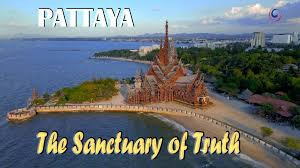
The sanctuary of Truth is one of the most extraordinary landmarks in Thailand. Located on the coast of Pattaya, this magnificent wooden temple attracts thousands of visitors every year. Unlike modern buildings made from steel and concrete, the Sanctuary of Truth is constructed entirely from wood and showcases intricate hand-carved sculptures that reflect ancient philosophies, religious teachings, and cultural traditions.
Whether you are a history enthusiast, architecture lover, photographer, or traveler seeking unique experiences, the Sanctuary of Truth offers something truly special. Its stunning design, spiritual atmosphere, and breathtaking seaside location make it one of Pattaya’s most visited attractions.
In this guide, you will discover everything you need to know about the Sanctuary of truth, including its history, architecture, highlights, visitor information, ticket details, and travel tips.
what is the sanctuary of truth?
The Sanctuary of Truth is a gigantic wooden structure situated on the shores of Pattaya, Thailand. Standing approximately 105 meters tall, it is considered one of the largest wooden buildings in the world.
The monument was commissioned by Thai businessman Lek Viriyaphant in 1981. His vision was to create a place that would preserve traditional craftsmanship while promoting philosophical and spiritual understanding through art and architecture.
Unlike conventional temples, the Sanctuary of Truth combines elements from Thai, Khmer, Hindu, and Buddhist traditions. Every section of the building contains detailed carvings that symbolize the relationship between humanity, nature, the universe, and spirituality.
The history behind the Sanctuary of Truth
The Sanctuary of Truth was conceived by Lek Viriyaphant, a visionary entrepreneur and cultural preservationist. He believed that rapid technological advancement was causing people to lose touch with traditional values and wisdom.
To counter this trend, he initiated the construction of a monument dedicated to philosophy, religion, and cultural heritage. Construction began in 1981 and continues even today, as artisans constantly maintain and enhance the structure.
The ongoing construction is not a sign of incompletion but rather a reflection of the project’s living nature. Skilled craftsmen continue to create new carvings and restore existing elements using traditional woodworking techniques passed down through generations.
Architectural masterpiece made entirely of wood
One of the most fascinating aspects of the Sanctuary of Truth is its construction method. The building is made almost entirely from wood without relying heavily on metal nails.
Traditional woodworking techniques are used to join wooden pieces together. This approach demonstrates the remarkable craftsmanship of Thai artisans and highlights ancient construction methods that have survived for centuries.
The structure features:
- Teak wood carvings
- Massive wooden pillars
- Detailed sculptures
- Ornamental spires
- Religious and mythological figures
- Intricate ceiling designs
Every inch of the building contains hand-carved artwork, making it a masterpiece of craftsmanship and creativity.
Symbolic meaning of the sanctuary of truth
The sanctuary of truth is more than a tourist attraction. It serves as a philosophical representation of human existence.
The monument explores themes such as:
human life
Many carvings depict the journey of life from birth to death, encouraging visitors to reflect on their purpose and values.
religion and spirituality
The sanctuary incorporates teachings from Buddhism and Hinduism, emphasizing wisdom, compassion, and spiritual growth.
harmony with nature
Numerous sculptures portray the connection between humans and the natural world, highlighting the importance of environmental balance.
universal truth
The building encourages visitors to seek truth through knowledge, morality, and understanding rather than material wealth.
highlights inside the sanctuary of truth
grand central hall
The central hall is one of the most impressive sections of the sanctuary. Visitors can admire towering wooden columns and intricate carvings that cover every surface.
Four directional wings
The structure consists of four wings, each representing different philosophical and cultural traditions:
- Thai culture
- Khmer culture
- Chinese philosophy
- Indian philosophy
These wings demonstrate how various civilizations contribute to humanity’s collective wisdom.
wooden sculptures
Thousands of hand-carved sculptures decorate the sanctuary. Figures include:
- Hindu deities
- Buddhist symbols
- Mythological creatures
- Celestial beings
- Philosophical representations
seaside views
The sanctuary’s coastal location offers stunning views of the Gulf of Thailand. Visitors can enjoy beautiful scenery while exploring the monument.
activities at the sanctuary of truth
A visit to the Sanctuary of Truth involves much more than sightseeing.
guided tours
Knowledgeable guides explain the symbolism, history, and architectural significance of the monument.
cultural performances
Traditional Thai performances are regularly held for visitors, providing insight into local culture and heritage.
wood carving demonstrations
Guests can observe skilled artisans creating intricate wooden carvings using traditional tools and techniques.
photography
The sanctuary is one of Pattaya’s most photogenic attractions. Every angle offers unique opportunities for stunning photographs.
horse carriage rides
Visitors can enjoy horse carriage rides around the complex for a different perspective of the monument.
boat rides
Boat excursions allow visitors to admire the sanctuary from the water.
why tourists love the sanctuary of truth
unique architecture
Few places in the world feature a structure entirely crafted from wood on such a massive scale.
cultural significance
The sanctuary provides valuable insights into Asian philosophy, religion, and artistic traditions.
family-friendly attraction
Visitors of all ages can appreciate the beauty and educational value of the monument.
peaceful atmosphere
Despite its popularity, the sanctuary maintains a calm and spiritual environment.
unforgettable experience
Many travelers consider it one of the highlights of their trip to Thailand.
best time to visit the sanctuary of truth
The Sanctuary of Truth can be visited year-round, but certain periods offer more comfortable conditions.
November to February
This is generally considered the best time to visit due to cooler temperatures and pleasant weather.
morning visits
Arriving early helps avoid crowds and provides excellent lighting for photography.
sunset visits
Late afternoon visits offer spectacular coastal views and beautiful sunset opportunities.
how to reach the sanctuary of truth
The Sanctuary of Truth is located in North Pattaya and is easily accessible from major tourist areas.
from central Pattaya
Visitors can reach the sanctuary by:
- Taxi
- Grab
- Songthaew
- Motorbike taxi
- Rental car
Travel time is typically around 15–20 minutes from central Pattaya.
from bangkok
Travelers can reach Pattaya from Bangkok via:
- Bus
- Private transfer
- Rental vehicle
- Organized tour
The journey usually takes around two hours depending on traffic conditions.
visitor tips
To make the most of your visit:
Wear comfortable clothing
Expect to walk around the large complex.
Bring a camera
The sanctuary offers countless photo opportunities.
follow safety instructions
Parts of the structure may be under active restoration, so visitors should follow guide instructions.
stay hydrated
Thailand’s climate can be hot and humid.
join a guided tour
Understanding the symbolism greatly enhances the experience.
sanctuary of truth tickets
Visitors should purchase tickets in advance whenever possible, especially during peak travel seasons.
Benefits of booking early include:
- Faster entry
- Secured availability
- Better trip planning
- Reduced waiting times
Many travelers choose online booking platforms for convenience and instant confirmation.
conclusion
The sanctuary of truth is far more than a tourist attraction. It is a remarkable fusion of art, philosophy, spirituality, and architecture. Every carving tells a story, every sculpture carries meaning, and every corner reflects centuries of cultural wisdom.
Whether you are visiting Pattaya for the first time or returning to explore Thailand more deeply, the sanctuary of truth deserves a place on your itinerary. Its breathtaking craftsmanship, educational value, and peaceful atmosphere create an experience unlike any other.
From towering wooden spires to intricate hand-carved details, the sanctuary of truth stands as a testament to human creativity and timeless wisdom. A visit here is not only visually stunning but also deeply inspiring, leaving travelers with memories that last a lifetime.
FAQs
Q1. what is the sanctuary of truth?
The Sanctuary of Truth is a massive wooden temple-like structure in Pattaya, Thailand, featuring intricate carvings inspired by Buddhist, Hindu, Thai, and Khmer philosophies.
Q2. How tall is the Sanctuary of Truth?
The Sanctuary of Truth stands approximately 105 meters tall, making it one of the largest wooden structures in the world.
Q3. Is the Sanctuary of Truth still under construction?
Yes, construction and restoration work have continued since 1981 as artisans maintain and expand the wooden carvings.
Q4. How long should I spend at the Sanctuary of Truth?
Most visitors spend between 2 and 4 hours exploring the monument, attending cultural shows, and enjoying the surrounding attractions.
Q5. Is the Sanctuary of Truth worth visiting?
Absolutely. It is one of Pattaya’s most iconic attractions and offers a unique combination of architecture, culture, history, and spiritual insight.
Read more — sanctuary of truth pattaya ticket price.