Do Colorful Beekeeping Jackets Attract More Stings?
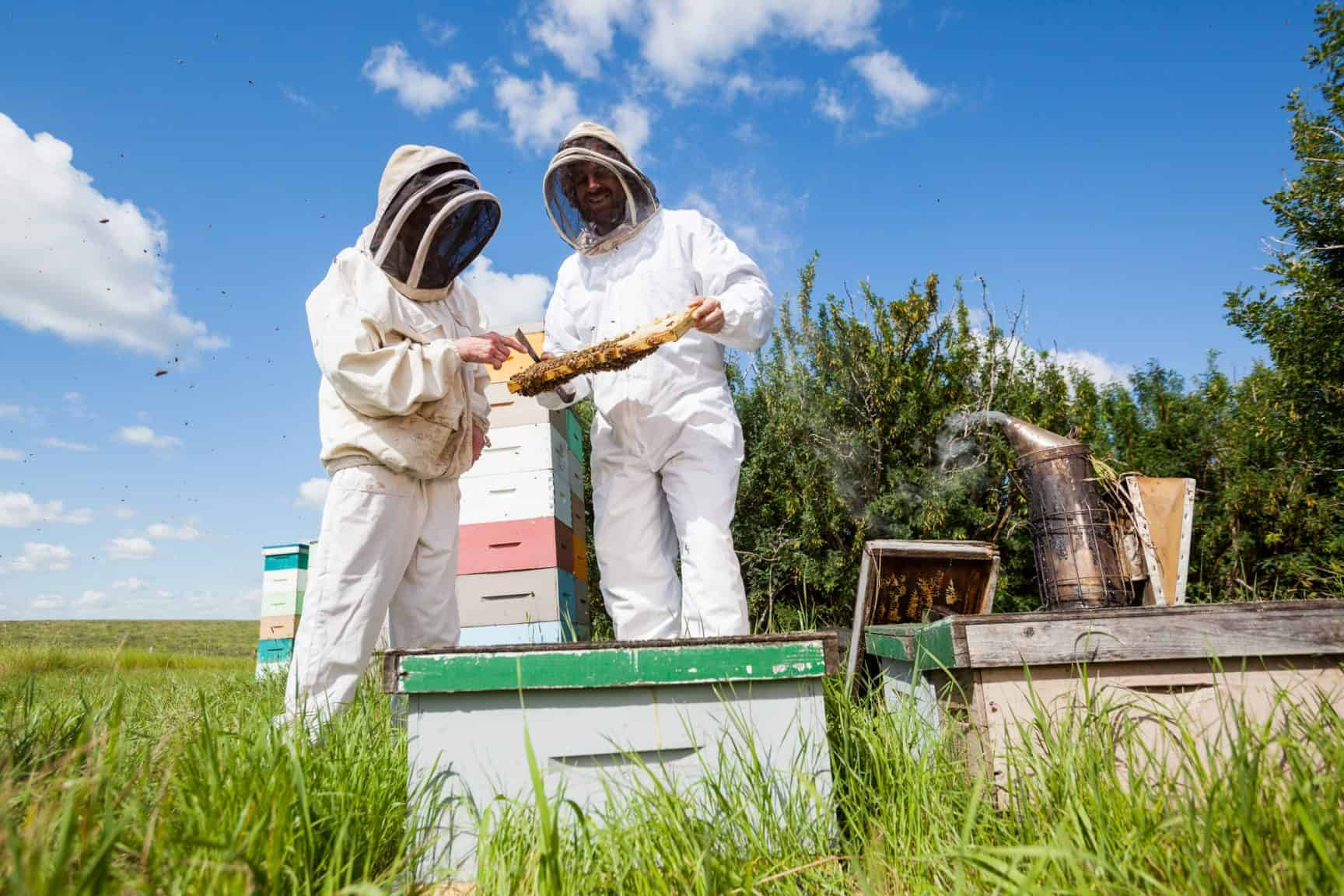
If you’ve spent any time around beekeeping, you’ve probably heard the golden rule: wear white, avoid dark colors, and never wear anything that looks like a flower or a predator. So when colorful jackets started showing up on the market, many beekeepers had one big question — will wearing a colorful beekeeping jacket actually get you stung more often?
It’s a fair concern. Bees rely heavily on visual cues to identify threats, and color plays a real role in how they react to the people working around their hive. In this article, we’ll break down what the science actually says, which colors to avoid, and how to safely enjoy a more colorful beekeeping wardrobe without putting yourself at extra risk.
Why Bees React to Color in the First Place
Bees have evolved to recognize specific colors and patterns as warning signs. Their vision is tuned to notice contrast, movement, and shapes that resemble natural predators such as bears, skunks, and other animals that have historically raided hives for honey.
This is why traditional beekeeping suits are almost always white or light khaki. These colors don’t resemble any natural hive predator, so bees are less likely to treat the wearer as a threat. Dark colors, on the other hand, mimic the fur of bears and skunks, which is why beekeepers are often warned to avoid black, brown, and deep red clothing.
So, Does Color Really Increase Stings?
The short answer is: it depends on the specific color, not on colorfulness itself. Research and long-standing beekeeping experience show that:
- Dark colors (black, brown, dark red) are the biggest triggers for defensive behavior
- Bright, saturated reds can sometimes be mistaken for movement or heat signatures
- Light, soft colors like white, pale yellow, light blue, and soft green tend to be treated neutrally by bees
This means a jacket doesn’t need to be plain white to be safe — it simply needs to avoid the dark, high-contrast tones that resemble predators. A well-designed colorful beekeeping jacket made in light pastel shades can be just as safe as a traditional white suit, because the color falls outside the range that triggers alarm behavior in bees.
Colors to Avoid When Choosing a Jacket
If you’re shopping for something more colorful than the standard suit, steer clear of:
- Black and dark brown — closely resemble bear fur
- Deep red — can appear as a dark, high-contrast shade to bees
- Very dark blue or purple — may read similarly to black in low light
- Rough or fuzzy textures — even in a safe color, fuzzy material can mimic animal fur and increase defensive reactions
Colors That Are Generally Considered Safe
On the safer end of the spectrum, many beekeepers and manufacturers have had success with:
- Soft sky blue
- Light mint or sage green
- Pale yellow
- Light gray or beige
- White with colorful trim or accents
These tones offer enough visual variety to feel personal and stylish while staying within the range bees don’t typically associate with danger.
Other Factors That Matter More Than Color
While color gets a lot of attention, it’s often not the biggest factor in getting stung. Beekeepers who experience frequent stings usually run into one of these issues instead:
Fit and Coverage Gaps at the wrists, ankles, or veil are far more likely to cause stings than color choice. A snug, well-sealed suit matters more than the shade you’re wearing.
Movement and Vibration Bees respond strongly to sudden movements and vibrations near the hive. Calm, slow movements reduce defensive behavior regardless of what you’re wearing.
Scent Strong perfumes, colognes, or even the smell of sweat can trigger more alert behavior in bees than clothing color ever will.
Time of Day and Weather Bees tend to be more defensive on cloudy, humid, or stormy days, and calmer during clear, mild weather — a pattern that has little to do with what the beekeeper is wearing.
How to Safely Wear a Colorful Jacket
If you want the benefits of a more personalized look without added risk, follow these guidelines:
- Choose light, muted colors rather than dark or highly saturated tones
- Make sure the fabric is tightly woven and matte rather than fuzzy or textured
- Confirm the veil and cuffs seal completely, since gaps matter more than color
- Test a new jacket during a calm inspection before using it during a more active hive check
A Word on Trusted Brands
Because color safety depends so much on shade and fabric, it helps to buy from a brand that specifically designs its gear with bee behavior in mind rather than just aesthetics. Bebees is one example of a brand that has focused on producing jackets in tested, bee-safe color palettes rather than simply offering bright colors for visual appeal alone.
Buying from a brand that understands this distinction reduces the guesswork for beekeepers who want variety without compromising safety.
Final Thoughts
Colorful beekeeping jackets don’t inherently attract more stings — the real risk comes from specific dark, high-contrast colors and fuzzy textures that mimic natural predators. A well-designed colorful beekeeping jacket in a light, tested shade can be just as safe as a traditional white suit, especially when paired with a secure fit and calm handling around the hive.
If you’re looking for a reliable option, checking gear from brands such as Bebees can be a good starting point, since they design with both color safety and comfort in mind. In the end, fit, fabric, and behavior around the hive matter far more than the color on your jacket.
