Without the Glass Skin
A Brief Essay on Unglazed Ceramics and New Approaches in Craft and Art
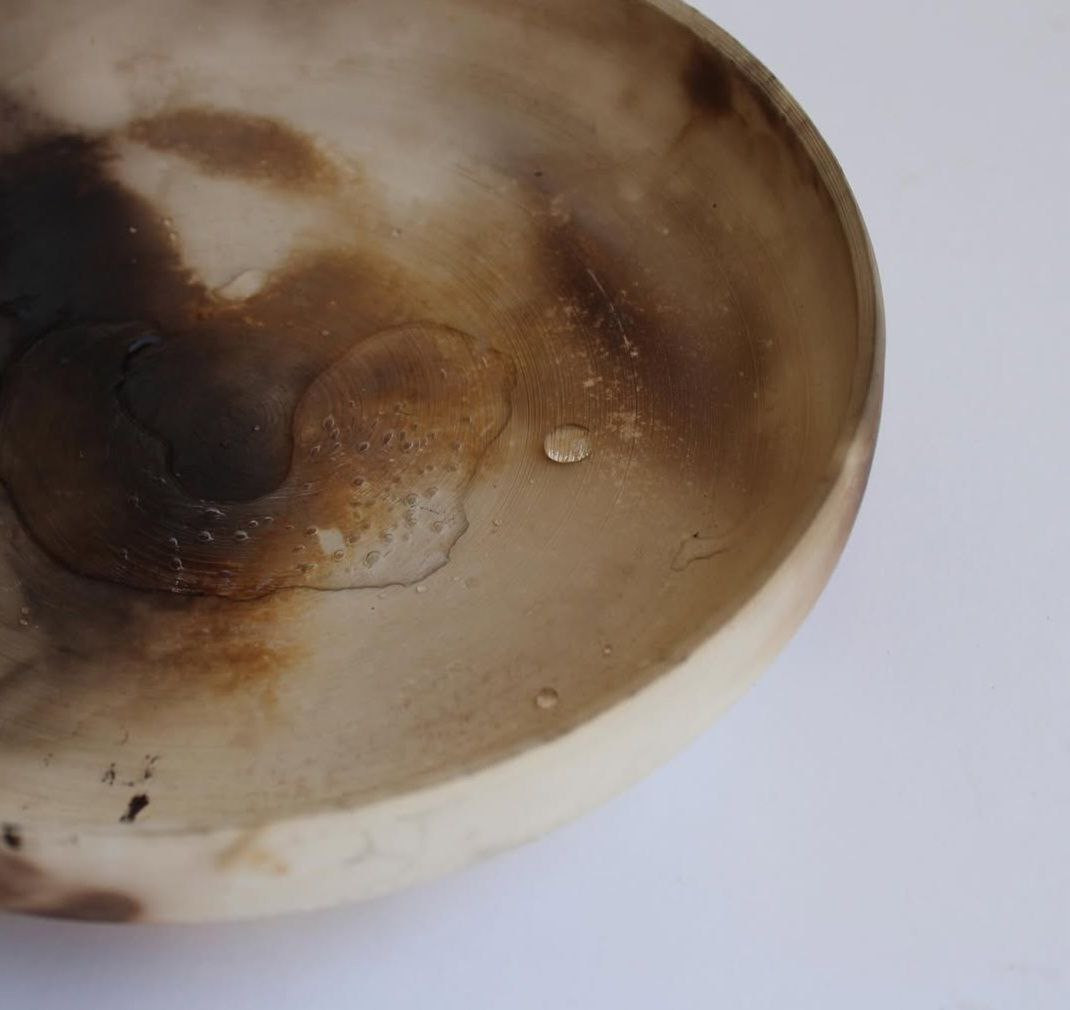
Glaze is a very thin skin of ceramics.
Sometimes almost transparent, sometimes thick like an elephant’s hide.
But it is precisely this layer that prevents us from touching the clay directly.
We are used to this contact through a thin layer of glass.
To shine as a sign of completion.
To the way the surface slides.
And we barely notice that beneath this smoothness there is a porous body. Earth that has passed through fire.
Glaze is a careful distance.
And at the same time — a necessity.
Porous ceramics absorb water.
Moisture, organic matter, odors can remain inside its micropores.
Without protection, new life can begin there — mold, bacteria.
Glaze solves this radically: it seals the surface. It makes the vessel hermetic. It makes it functional — suitable for water, food, everyday use.
Glass is a sanitary guarantee.
Two Fires
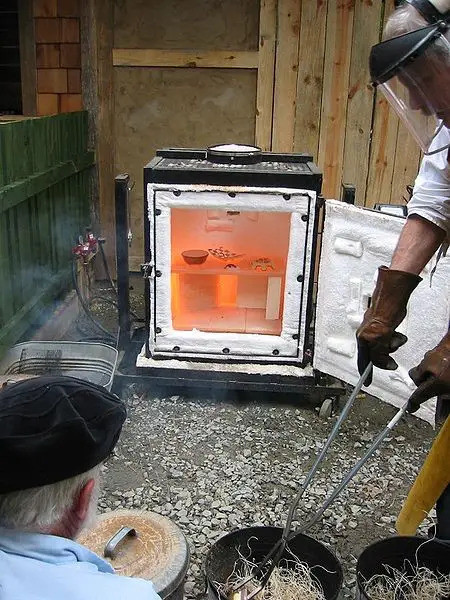
First, the object is fired “to bisque.” It becomes hard, but remains open, like a bone without skin.
Then — a second fire. The glaze melts. Everything is sealed.
This second firing creates what we call contemporary ceramics.
It also consumes nearly half of a studio’s energy. Half of the electricity — to melt glass. To close the pores.
If this fire is removed, it is not just a stage that disappears. The feeling of the process changes.
One heating remains.
This is not economy. It is a shift in rhythm.
And at the same time — a reduction of load: less energy, fewer repeated peak temperatures, fewer volatile compounds released during glaze melting. Production becomes shorter. The air — cleaner (at least inside the studio). The process — softer.
Before There Was Glass
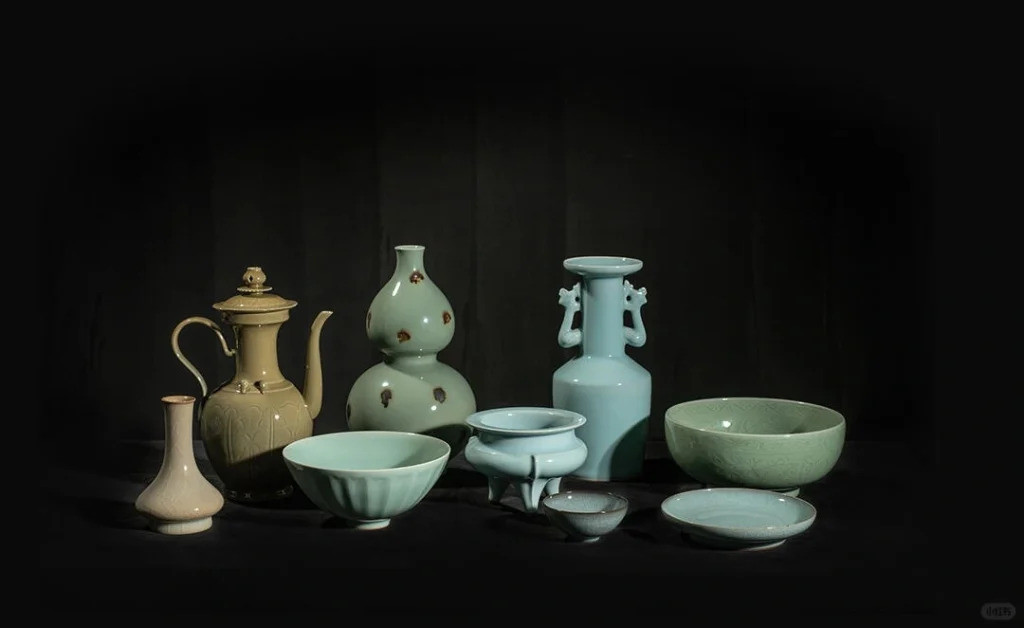
Glaze is a late gesture.
In China, early proto-glazes appear as far back as the 2nd millennium BCE, while fully developed high-temperature glazes form during the Eastern Zhou and Han periods (1st millennium BCE — first centuries CE). At first it was almost accidental — ash and heat creating a glassy residue of fire. Later it was perfected, and the surface began to resemble water — celadons of the Tang dynasty (7th–10th centuries), then Song (10th–13th centuries).
In the Middle East, alkaline glazes spread around the 9th century CE with the development of Islamic ceramics. Luster appears — the surface begins to work with light like metal.
In Europe, widespread glazing takes hold much later — lead glazes in the Middle Ages (12th–14th centuries), maiolica and faience during the Renaissance (15th–16th centuries). Before that, matte and partially protected surfaces existed for centuries.
Shine was not the starting point. It came later.
Before glaze, surfaces were burnished with stone, polished to a silky density, fired in smoke, covered with slips, rubbed with wax or milk. The material was densified, but not fully isolated.
It often remained open.
Why Form Became This Way
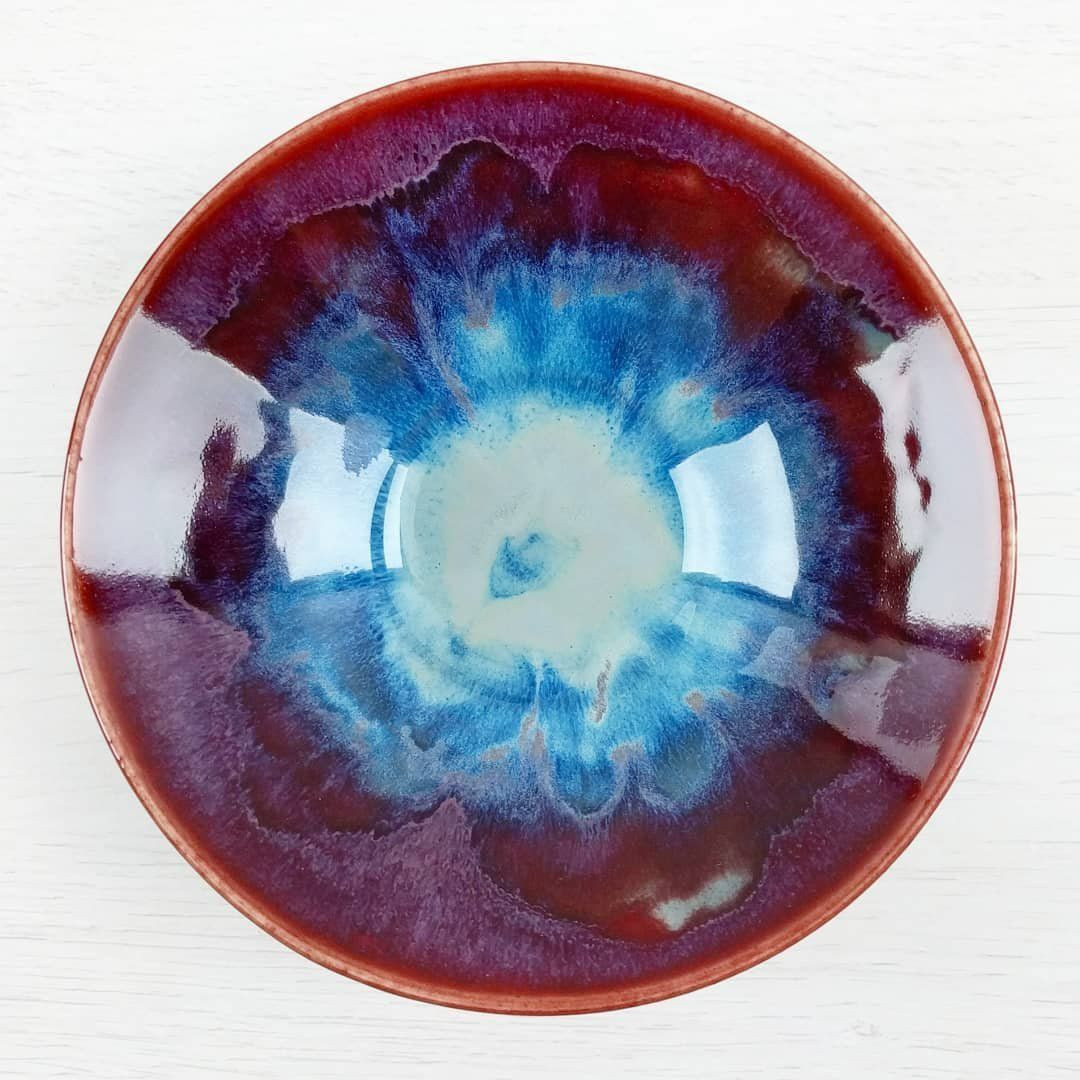
Contemporary ceramics look the way they do because they carry glass.
Rim thickness is calculated so glaze will not run.
Color emerges from melting chemistry.
Shine comes from the expectation of hermetic sealing.
Form and technology became dependent on one another.
We are so accustomed to this logic that we accept it as the very nature of ceramics.
But if the glass skin is removed, the object becomes different.
Light no longer reflects — it lingers.
Heat is not filtered — it transfers immediately.
Soft Technology
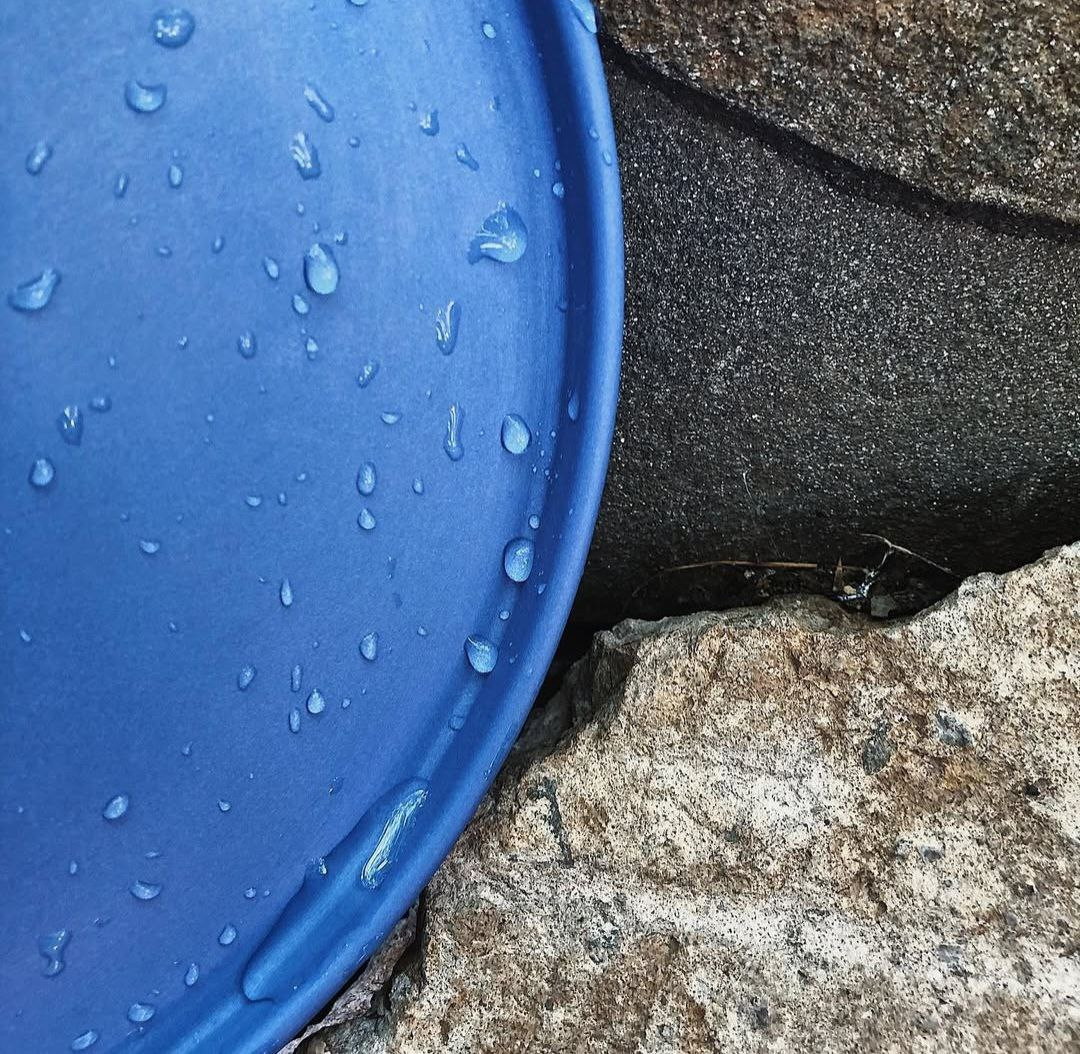
There is something strange about always choosing glass to protect earth.
There is another approach — not to add a shell, but to work with the structure itself. Not to block the pores, but to stabilize them from within.
Modern silicon-based impregnations with ultra-small particles can penetrate the micropores of ceramics and create a stable matrix inside them. The surface remains matte, tactile, open — yet functional.
In essence, this is an alternative to glaze in its utilitarian role.
Not a decorative substitute. A functional one.
This can be called a soft technology.
Not loud. Not industrial. Not requiring another firing.
Functionality is achieved without a glass shell.
Without a second firing.
Without a doubled energy cycle.
Simplification
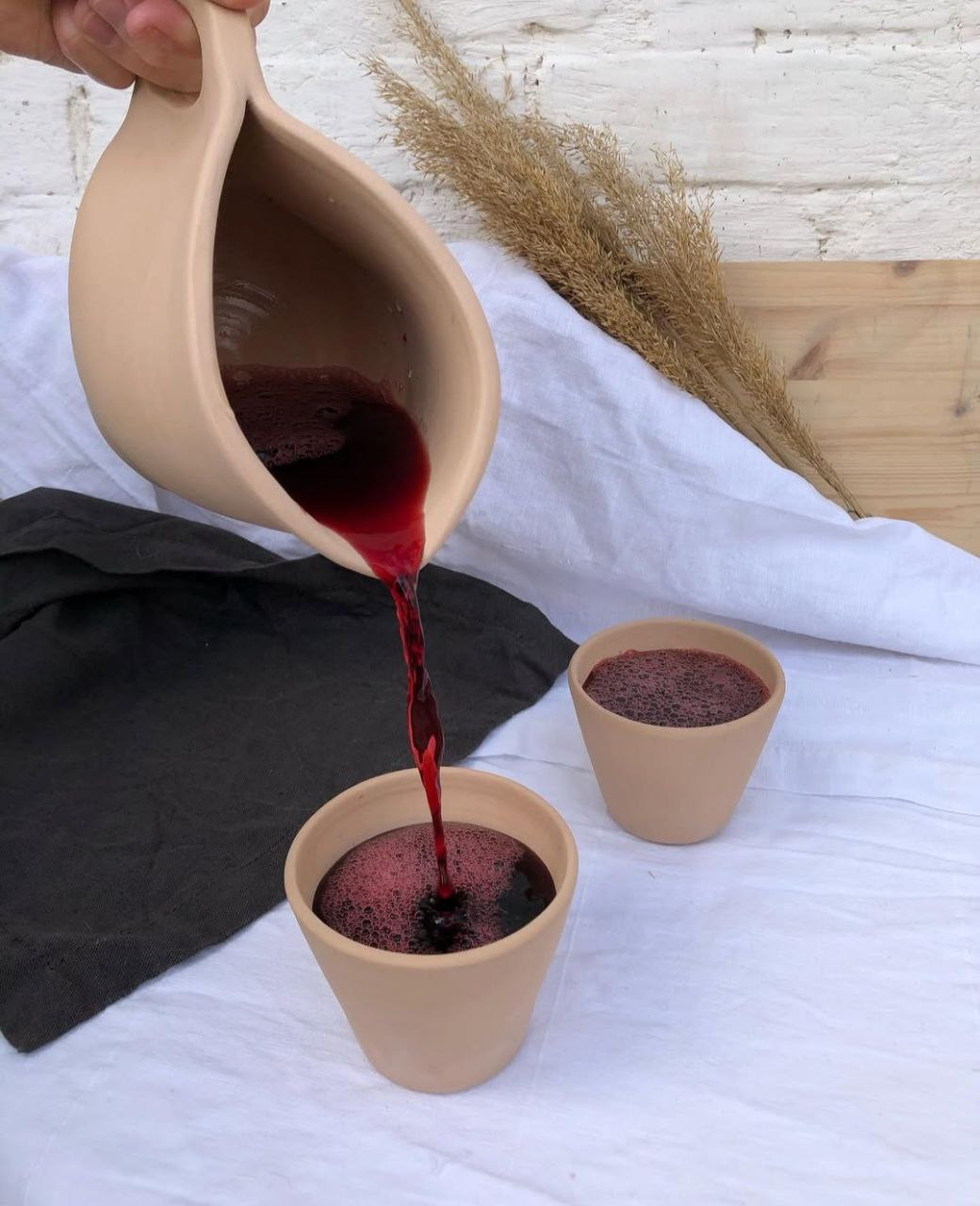
We are used to thinking that development means addition. A new layer. A new stage. A new composition.
But sometimes development means subtraction.
Minus one firing.
Minus the glass membrane.
Minus excess energy.
And suddenly the object does not become poorer.
It becomes clearer.
Simplification may not be a return backward, but a step sideways — toward processes that are simpler yet more precise.
This is definitely a technological shift: toward more minimal but more exact processes.
Open Surface
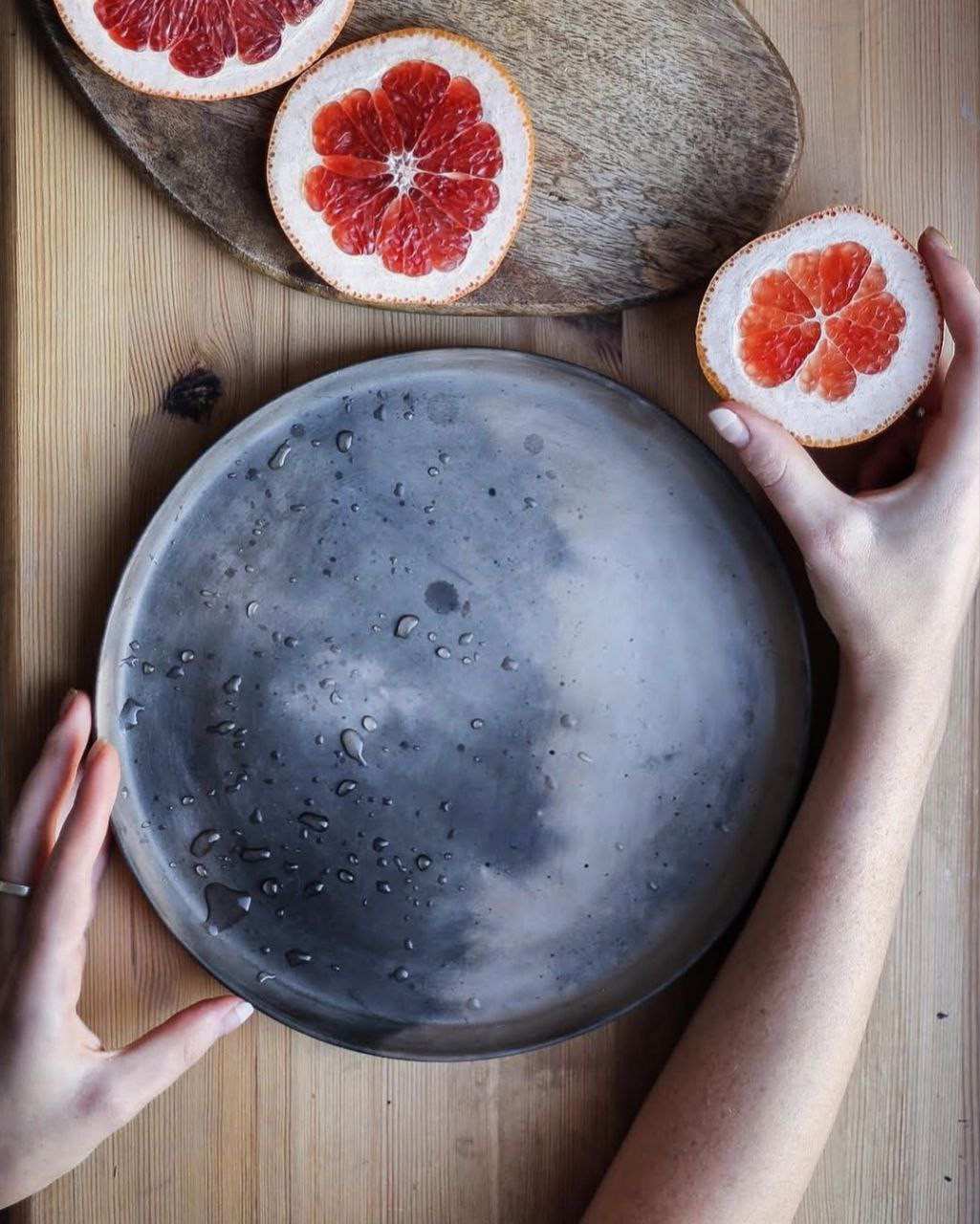
The No Glaze project grew from precisely this question — can the surface remain open and still become fully functional?
At its core is a silicon-based impregnation with ultra-small particles working within the porous ceramic structure. It replaces glaze in terms of hermetic sealing and sanitary resistance, yet proposes a completely different visual logic.
Without glassy shine.
It is a research system with an open methodology. Experiments are distributed across different studios; results are documented and compared within a shared environment built on Obsidian. The process is supported by an integrated LLM agent that assists in analyzing data and accelerating methodological development.
It is distributed, open research — not a closed formula, but an evolving practice.
Not replacing glass with new glass.
But questioning the necessity of glass itself.
And with that — attempting to understand what ceramics can become if its appearance is no longer dictated by molten glass.
This visual logic is still forming.
Originally (roughly since the mid-2010s), similar materials (No Glaze, Liquid Quartz, etc.) were used as final coatings in techniques such as raku, saggar, and other alternative ceramic decoration methods.
Contact
Glaze is a thin layer of civilization.
Very careful. Very beautiful.
But when it is absent, touch becomes direct.
Fingers feel not a shell, but earth.
Temperature passes without filter.
And perhaps it is not only about tactility.
Maybe we simply want fewer layers between ourselves and material.
Non-commercial collaboration, co-research, collaborations, etc. via email: