We Are Here And We Are Invisible
A spoken word / poetic fragment on pain, identity, and decolonial visibility
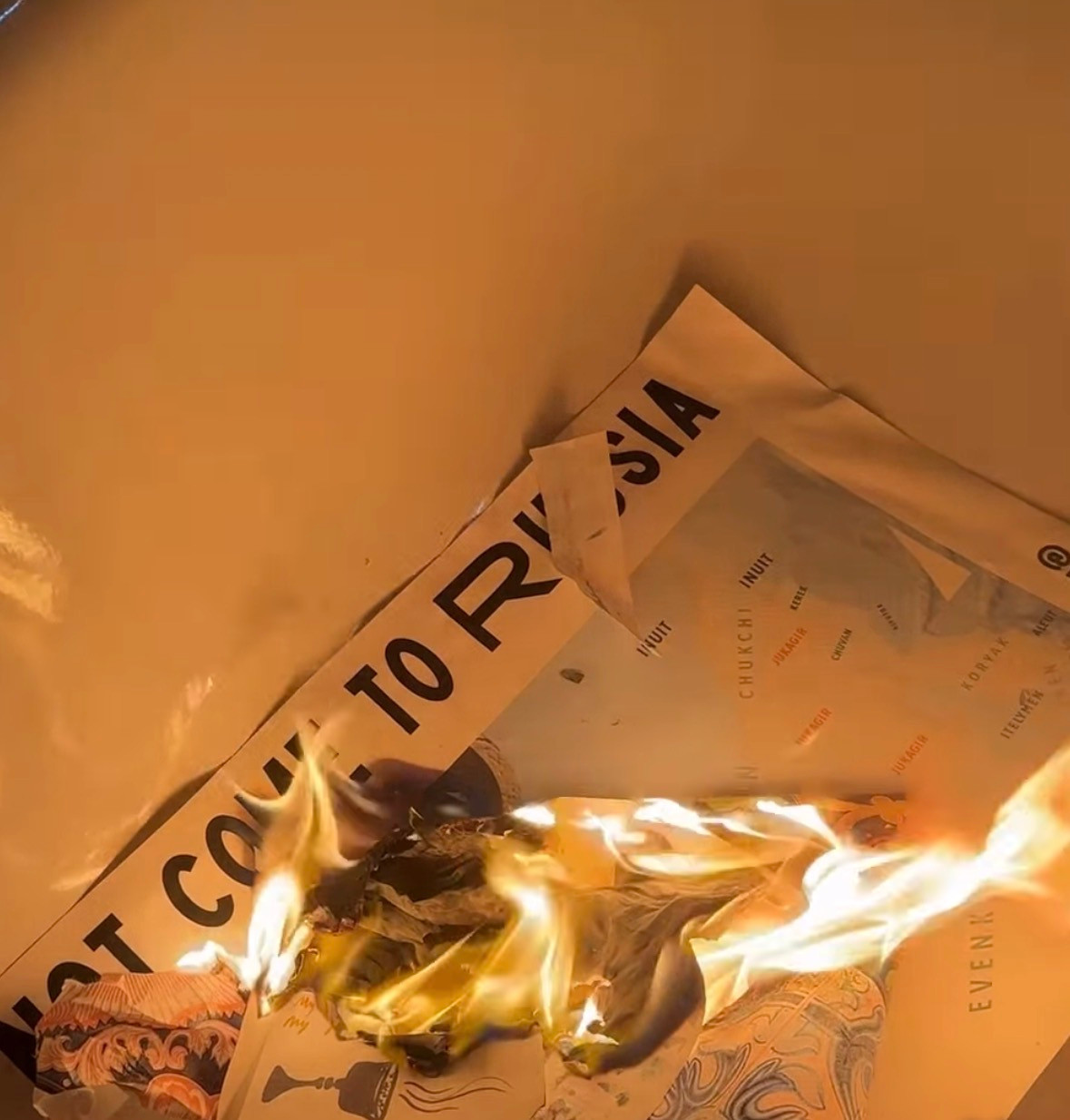
We walk through the streets of Berlin.
Our bodies speak languages no one wants to hear.
Our eyes carry wars that never made it to the headlines.
We are here and we are invisible.
What burns inside us is not only political. It is personal.
It is memory, fracture, exile, survival.
Lives torn apart without a single shot.
We live with war, even when it’s not here.
It is in our silence. In our breath. In our inheritance.
Some only see flags.
Some only see breaking news.
But do they see us?
Do they see the wounds that carry no nation’s name?
Do they see the pain that doesn’t fit neatly into geopolitical boxes?
We come from different places.
With different ties to Ukraine.
Different degrees of mourning, of fear, of resistance.
And yet, we stand next to each other in this city,
a city built on forgetting, on borders, on empire.
Berlin is not neutral.
No place in Europe is.
Colonial histories are not in the past – they shape
who gets seen,
who gets heard,
who gets to grieve.
Decoloniality means unlearning this hierarchy of pain.
It means making space for complex truths.
It means questioning whose humanity is recognized,
whose narratives are centered,
whose lives are deemed “too complicated” to care about.
We do not speak to explain ourselves.
We speak to exist.
We do not ask for charity.
We demand space
space for contradiction, for complexity,
for presence without translation.
Because we are here.
We have always been here.
And we will not disappear
Leo Efet, qirimqaray (Crimean karaim), Berlin, 2025