10 Simple Ways to Improve Your Driving in Golf
Driving is one of the biggest factors in scoring better on the golf course. A longer, straighter drive can leave you with shorter approach shots, more opportunities to attack the green, and fewer recovery shots. The good news is that improving your golf driving, driving distance, and driver accuracy does not always require a complete swing overhaul.
From your golf grip and setup to swing tempo, fitness, and the right driver shaft, small adjustments can make a noticeable difference. Here are 10 simple ways to improve your driving in golf and get more from every tee shot.
1. Check Your Golf Grip
Your golf grip is the first connection between you and the driver. A poor grip can contribute to slices, hooks, inconsistent contact, and a lack of control.
Hold the driver naturally across the fingers of your lead hand, while your trailing hand rests comfortably underneath. Keep the grip neutral rather than excessively strong or weak.
A consistent driver grip helps you return the clubface to the ball more reliably. Spend a few minutes practicing your grip at home so it becomes second nature before you step onto the course.
2. Build a Strong Driver Setup
A good driver setup gives your golf swing a stable foundation. Start with your feet approximately shoulder-width apart and keep your knees slightly flexed.
Position the ball near the inside of your lead heel and tilt your upper body slightly away from the target. Let your arms hang naturally instead of reaching for the ball.
Your setup affects everything from ball position and swing path to launch angle and contact. Getting these basics right can immediately improve your driver consistency.
3. Tee the Golf Ball Higher
Many golfers lose potential driving distance because they tee the ball too low.
With a modern driver, a higher tee can encourage contact higher on the clubface and help create a more positive angle of attack. A useful starting point is to have roughly half to three-quarters of the ball sitting above the top of the driver face.
Better tee height can improve your launch angle, reduce inefficient contact, and help you get more distance from your swing.
4. Create a Full but Controlled Backswing
You do not need an extremely long backswing to hit the driver farther. What matters is making a controlled shoulder turn while maintaining balance and posture.
During the backswing, allow your shoulders and torso to rotate while keeping your lead arm relatively extended. Avoid forcing extra length by collapsing your arms or losing your posture.
A balanced backswing creates a better position for the downswing and helps improve golf swing consistency.
5. Start the Downswing With Your Lower Body
One of the most common mistakes golfers make is trying to hit the driver with their arms.
Instead, allow your lower body to initiate the downswing. Rotate your hips toward the target and let your arms and hands follow naturally.
This sequencing can improve clubhead speed, timing, and energy transfer. When the body and arms work together, you can generate more driver speed without simply trying to swing harder.
6. Complete Your Follow-Through
A powerful golf swing does not stop at impact. Your follow-through can tell you a lot about the movement that came before it.
After impact, allow your arms to extend naturally and continue rotating your chest toward the target. Your weight should finish primarily on your lead side, with your body balanced and facing down the fairway.
A balanced finish can help promote a repeatable golf driver swing and better contact.
7. Find a Repeatable Swing Tempo
Swinging harder does not automatically create more golf driving distance.
A smoother, repeatable tempo often produces better contact and more consistent clubhead speed. Try using a simple rhythm during practice, focusing on a controlled backswing followed by an athletic but balanced downswing.
When your tempo becomes reliable, you are more likely to find the center of the clubface and maintain driver accuracy under pressure.
8. Use Your Legs and Hips
Your legs and hips play a major role in generating power during the golf downswing.
As you transition from the backswing, use your lower body to shift and rotate toward the target. This helps transfer energy from the ground through your body and into the club.
Learning to use your lower body properly can improve swing speed, balance, and overall driving performance. The goal is not to make a dramatic movement, but to create efficient sequencing.
9. Improve Your Core Strength
A stronger core can support better posture, rotation, and stability throughout your golf swing.
Exercises such as planks, rotational movements, and medicine-ball exercises can help golfers develop the strength needed to maintain their posture while generating speed.
Golf-specific fitness is not about becoming a bodybuilder. It is about creating a strong, mobile body that allows you to repeat your swing efficiently and maintain driver consistency over 18 holes.
10. Choose the Right Driver Shaft
You can work on your golf swing technique every week and still struggle to improve if your equipment does not match your swing.
Your driver shaft can influence feel, launch, ball flight, timing, and consistency. Shaft weight, flex, torque, and overall profile should work with your swing characteristics rather than against them.
For golfers looking to improve driving distance and driver accuracy, finding the right shaft can be an important part of the equation.
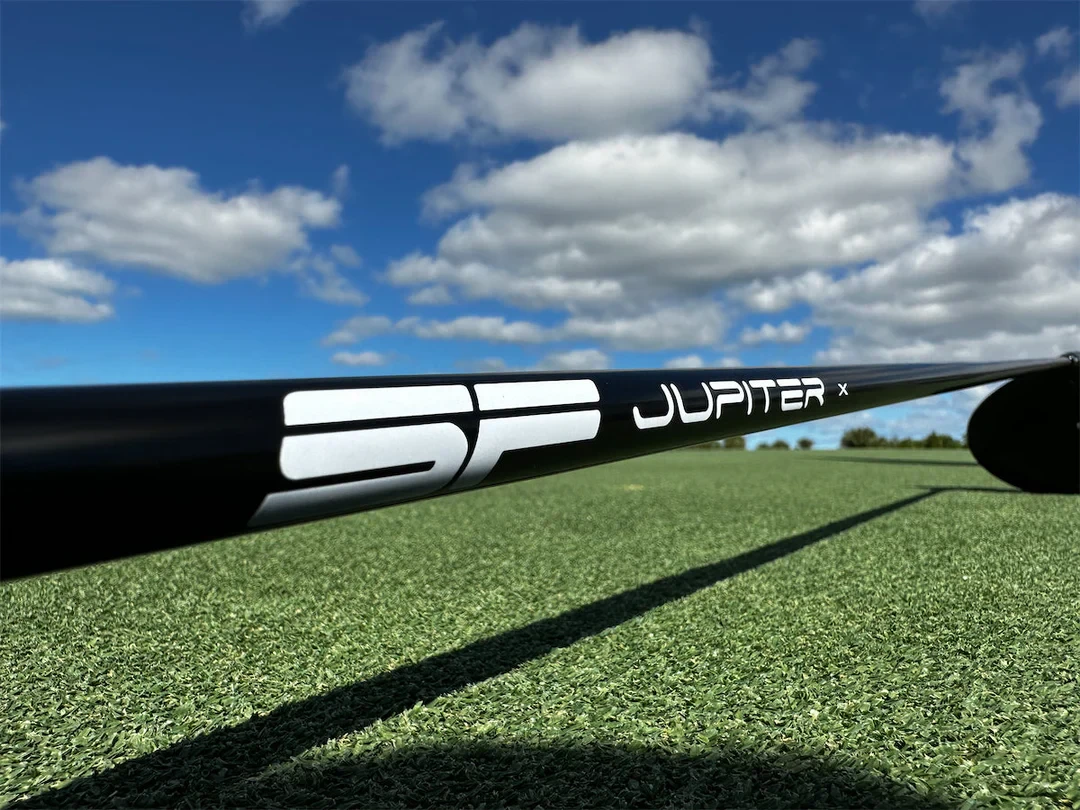
Steadfast Golf’s Jupiter golf shafts are designed with less than 1 degree of torque, helping provide a stable feel through impact while allowing golfers to transfer more of the energy generated during the swing into the ball.
The right golf shaft will not replace good technique, but it can complement a well-developed swing and help you get more consistent results from the driver.
Put These Golf Driving Tips Together
Improving your driving does not require changing everything at once. Start with your golf setup, grip, ball position, and tee height. Then work on tempo, lower-body sequencing, and a balanced finish.
Once your swing fundamentals are in place, look at your equipment. Your driver shaft can play an important role in how efficiently your swing delivers speed and control.
The goal is simple: better contact, more consistent driver distance, and fewer shots lost off the tee.
Ready to find a shaft that matches your swing? Take the Steadfast Golf Shaft Selector Quiz and discover the Jupiter shaft that fits your swing.
Frequently Asked Questions
How can I improve my driving in golf?
Start with the basics: improve your golf grip, driver setup, ball position, tee height, swing tempo, and balance. Consistent practice of these fundamentals can help improve both driving distance and accuracy.
How can I hit my driver farther?
Improving clubhead speed, strike quality, launch conditions, and swing efficiency can help you hit the driver farther. The right driver shaft can also help your equipment better match your swing.
What is the best ball position for a driver?
For most golfers, the ball should be positioned near the inside of the lead heel. This encourages a suitable impact position and can help create better launch conditions with the driver.
Does driver shaft flex affect distance?
Yes. The shaft flex and overall shaft profile can influence how the club feels and performs during your swing. The right shaft should complement your swing speed, tempo, and release.
How important is the driver shaft?
The driver shaft is an important part of your equipment setup. Weight, flex, torque, and shaft profile can affect feel, consistency, launch, and the way energy is transferred into the golf ball.
Can strength training improve golf driving distance?
Strength and mobility training can support better golf swing speed, stability, posture, and rotation. Core and lower-body exercises can be especially useful for golfers who want to develop a more efficient swing.
Why am I losing distance with my driver?
Distance loss can come from poor contact, incorrect setup, inefficient swing mechanics, reduced clubhead speed, or equipment that does not fit your swing. Evaluating both technique and your driver shaft can help identify the issue.
How often should I practice my driver swing?
Regular practice is more useful than occasional long sessions. Even 15 to 30 minutes of focused practice on grip, setup, tempo, and contact can help develop a more repeatable golf driver swing.
What is the easiest way to improve driver accuracy?
Focus on consistent setup, ball position, grip, tempo, and center-face contact. Avoid trying to swing as hard as possible. A controlled and repeatable swing often produces better driver accuracy.
Does a low-torque golf shaft improve accuracy?
A low-torque shaft can provide a more stable feel, but performance depends on how the shaft matches the individual golfer. The goal is to find a golf shaft that complements your swing rather than choosing a specification based on one number alone.
