How to Optimize Industrial Packaging Reliability with Shipping Stencils
Global commerce relies on the constant movement of cargo, and shipping stencils remain one of the most reliable ways to track and direct these goods. Every day, millions of boxes, crates, and steel containers traverse the oceans and highways. They pass through automated sorting hubs, customs checkpoints, and crowded shipping docks. In an era dominated by digital tracking systems and radio frequency identification tags, one might assume that old physical marking methods have vanished. Yet, if you walk through any major freight terminal, you will see bold, blocky letters sprayed directly onto wooden pallets and industrial machinery. These templates are a fundamental tool that has kept global supply chains moving for generations.
Understanding the Essential Marking Tool
A stencil used for logistics is simple yet indispensable. It is a template made from a durable material like oiled cardstock, plastic, or brass. Letters and numbers are cut out of the material, leaving bridges to hold the centers of characters like the letters O and B in place. When paint or ink is applied over the template, a crisp, highly visible mark remains on the surface beneath. It is a low-tech solution that solves a high-tech problem, ensuring that critical destination data, handling instructions, and safety warnings remain readable under the harshest conditions imaginable. These markings stand out boldly against the natural grain of wood or the dull finish of corrugated steel.
The Resilience of Ink and Surface
Digital labels can fail. Barcodes can become scratched, thermal paper can fade in the sun, and electronic tags can suffer from signal interference. A painted mark becomes one with the container. Whether exposed to salty sea air on a container ship deck, torrential tropical downpours, or extreme desert heat, the information stays put.
Industrial marking requires materials that can withstand repeated use. In the past, companies relied heavily on oilboard, which is a heavy paper board treated with linseed oil to resist paint absorption. Oilboard templates remain popular because they are inexpensive and clean to cut. For heavy industrial environments, interlocking brass letters offer unmatched durability. These metal pieces slide together to form custom words or serial numbers, allowing workers to quickly change codes between shipments. Modern facilities also utilize reusable plastic options like Mylar, which can be wiped clean and stored for years.
The Art of Application
Using these templates is a straightforward process, but it requires a human touch to achieve perfect legibility. Workers typically choose between three main methods of application depending on the volume of cargo and the surface material.
- The Stencil Brush: This is the traditional choice for text on wooden crates. It is a thick, flat-bristled brush used with specialized ink. Instead of sweeping the brush back and forth, the user taps it vertically onto the template. This dabbing motion prevents ink from seeping underneath the edges of the cutouts, ensuring the final text remains sharp.
- Ink Rollers: This provides a faster option for flat surfaces like cardboard cartons or metal sheets. A roller saturated with quick-drying waterproof ink passes smoothly over the material, transferring the message in a single motion. This technique is highly efficient for assembly lines where multiple crates need identical markings.
- Aerosol Spray Paint: This method offers the quickest coverage, especially for large text used on heavy machinery or construction equipment. While rapid, spraying requires careful distance control. Moving too close can cause the paint to puddle and run, distorting the words.
Clarity in a Multilingual Supply Chain
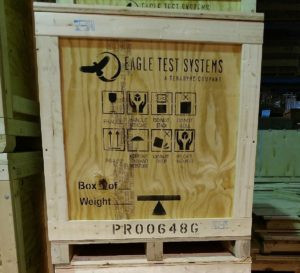
Logistics is a global endeavor, often involving people who speak different languages. Standard iconography and clear typography bridge this communication gap. Universal symbols, such as umbrellas representing a need to keep dry or wine glasses indicating fragile contents, are applied cleanly to packaging.
Because the text utilizes bold, sans-serif fonts with distinct gaps, it is incredibly easy to read from a distance. A crane operator sitting high above a ship deck can look down and instantly identify weight limits or hazardous material codes sprayed onto a crate. This immediate visual recognition reduces handling errors and enhances workplace safety. It ensures that everyone, from the forklift driver in a local warehouse to a customs agent on the other side of the world, understands exactly how to manage the cargo.
Economic and Environmental Value
From a business perspective, traditional marking methods represent remarkable cost efficiency. Preparing a digital printing system for oversized industrial packaging can be complex and expensive. In contrast, a single set of templates can mark hundreds of crates with negligible ongoing costs. The primary expenses are simply the ink or paint used. Warehouse managers appreciate this predictability in their quarterly budgets. There are no sudden software subscription hikes or broken thermal printer heads to repair.
Furthermore, this practice supports sustainability goals in packaging. Wood and cardboard marked with standard industrial ink remain fully recyclable or biodegradable, unlike plastic-coated adhesive labels that can contaminate recycling streams. By eliminating the need for synthetic glues and plastic backings, traditional marking offers a cleaner footprint for heavy industrial shipping.
The Lasting Human Element
Behind every mark is a person ensuring the accuracy of the voyage. There is a tactile satisfaction in aligning a brass template, rolling a coat of rich black ink, and lifting the frame to reveal a perfect set of instructions. It is a craft embedded within the industrial landscape, a link between historical trade practices and modern logistics.
As supply chains continue to evolve with artificial intelligence and automated robotics, the humble template remains securely in place. It acts as the ultimate fail-safe. When the power goes out, when scanners blink, or when computer networks experience downtime, human eyes will always be able to read the bold, stamped letters on the side of a crate. These trusted tools ensure that no matter what happens to the digital world, the physical world of commerce keeps moving forward without delay.
Frequently Asked Questions
Best materials for creating shipping stencils
The choice of material depends on how often the template will be used. For one-time or short-term shipments, oiled paperboard is highly effective and economical. For ongoing, repetitive marking, heavy-duty plastics like Mylar or interlocking brass pieces offer excellent durability and can be cleaned and reused for years.
Preventing ink from bleeding under the edges?
To achieve a crisp mark, avoid using dripping wet brushes or rollers. When using a brush, apply ink using a vertical, tapping motion rather than a sweeping brush stroke. If you are using spray paint, hold the can at least twelve inches away from the surface and apply light coats to prevent paint from pooling and running.
Using shipping stencils on curved surfaces like metal drums?
Flexible materials like thin plastic, Mylar, or traditional oilboard conform easily to the curved sides of industrial drums, barrels, and pipes. Securing the edges firmly with masking tape before applying the ink ensures the material stays flush against the surface.
Compliance of stenciled markings with international shipping regulations? Many international logistics and military standards explicitly require stenciled markings for cargo because of their permanence and clarity. They are ideal for applying mandatory international shipping icons, such as handling instructions, weight data, and country-of-origin details.
Comparing stenciled markings to adhesive labels in terms of cost?
While adhesive labels require specialized printing hardware, backing paper, and specific adhesives for different environments, physical templates require only the initial investment and basic industrial ink or paint. For large-scale industrial operations, wooden crates, and heavy cargo, this method is significantly more cost-effective over time.
