Ghost Geographies and the Neoliberalization of Urban Space
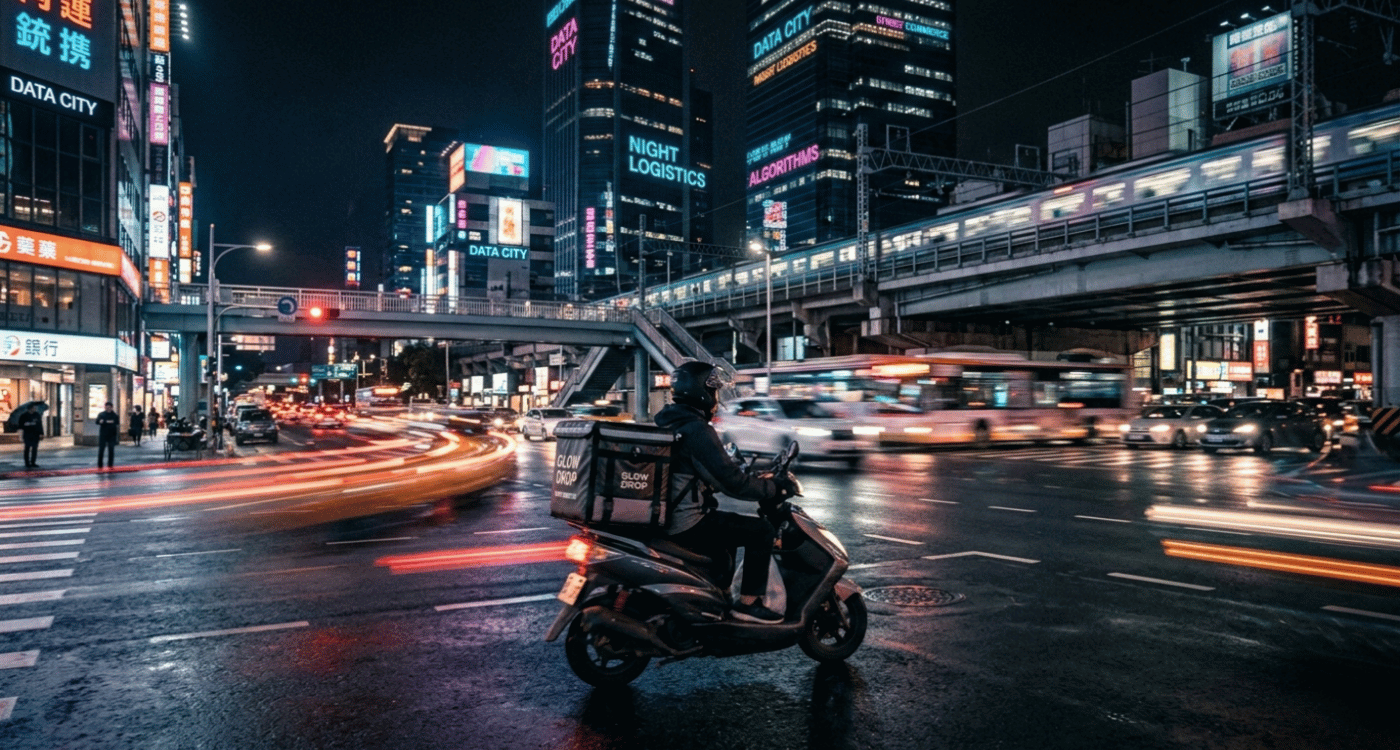
As platform capitalism matures, the physical layout of our cities is being silently redrawn by invisible code. This essay examines how delivery and ride-hailing algorithms create "ghost geographies" spaces that exist physically but are governed by digital dictates and how this shift fundamentally alters the social contract of the urban commons.
I. The Digital Layer: Beyond the Physical Map
For decades, urban theory focused on the "right to the city" as a physical struggle over squares, streets, and housing. However, we have entered an era where a digital layer sits atop the concrete. This layer isn’t just a map; it is an active governor.
When a delivery algorithm identifies a specific neighborhood as a "high-demand zone," it effectively mobilizes a private army of labor toward that coordinate. These workers do not navigate the city based on personal habit or civic belonging, but through a series of "pings" that commodify every meter of the street.
II. Ghost Geographies and Labor Precarity
The concept of "Ghost Geographies" refers to the way digital platforms render certain urban areas invisible while hyper-visibilizing others based purely on profitability.
- The Waiting Zone: We see this in the clusters of delivery riders gathered under bridge overpasses or outside "dark kitchens." These are non-places zones where labor is parked but not protected.
- The Optimized Route: Algorithms prioritize efficiency over safety or community interaction, turning the "flâneur" (the casual urban wanderer) into a data point optimized for speed.
This transformation represents a neoliberalization of space. The street is no longer a site of spontaneous social encounter; it is a factory floor without walls, where the "boss" is a black-box calculation.
III. The Erosion of the Urban Commons
What happens to the "publicness" of a city when its movements are dictated by proprietary software? When private companies hold more data on a city’s pulse than the municipal government, the democratic oversight of urban life begins to wither.
We see a shift from:
- Civic Navigation: Moving through the city as a citizen with rights.
- Algorithmic Logistics: Moving through the city as a logistical unit.
IV. Conclusion:
To scale our cities safely and equitably, we must look beyond the convenience of the interface. Solidarity in the digital age requires us to treat algorithmic transparency as a form of urban planning. If the code redrafts our streets, then the code must be subject to the same scrutiny as a new highway or a zoning law.
We must move toward "networks of solidarity" that bridge the gap between the worker on the bike and the citizen on the sidewalk, recognizing that the struggle for the city is now a struggle for the data that defines it.