Optimizing Operations with CNSME PUMP Centrifugal Slurry Pumps in Metallurgy
Metallurgical processing is a world of extremes. Extreme temperatures, extreme pressures, and extreme chemistry all come together in the pursuit of extracting valuable metals from ore. The slurries moving through a metallurgical plant are often hot, acidic, and loaded with fine abrasive particles that would destroy ordinary equipment in days. Yet the pressure to maximize recovery and minimize downtime has never been greater. CNSME has become a trusted partner in this demanding sector because their pumps are designed not just to survive but to help optimize the entire process. From leaching to thickening to electrowinning, these pumps play a critical role in keeping metallurgical operations running at peak performance.
Leaching Circuit Slurry Transfer
The leaching process is where crushed ore is mixed with acid or cyanide to dissolve valuable metals. The resulting slurry is highly corrosive, often hot, and contains sharp rock particles. Pump failure in a leaching circuit stops production immediately and can create safety hazards from leaking chemicals. CNSME pumps in leaching service use high-alloy stainless steel or rubber linings matched to the specific lixiviant chemistry. For acidic leaching, high-chrome iron with enhanced corrosion resistance is often specified. For cyanide leaching, natural rubber linings resist the alkaline chemistry while handling the abrasive ore particles. The expeller seal is valuable here because it requires no flush water that would dilute the leach solution. A copper heap leach operation reported that switching to CNSME centrifugal slurry pump eliminated dilution issues and improved their pregnant leach solution grade by eight percent simply by removing unnecessary flush water from the circuit.
Thickener Underflow Pumping
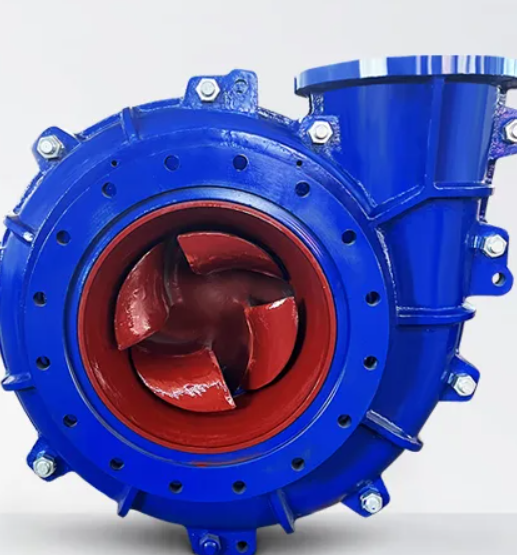
Thickeners concentrate solids by settling, and the underflow slurry can reach densities of sixty percent solids or more. This thick, heavy slurry is a challenge for any pump. It settles rapidly in pipes, requires high torque to move, and produces high discharge pressures. CNSME pumps for thickener underflow feature oversized shafts and heavy-duty bearings to handle the torque. The impeller is typically an open design with wide passages that prevent bridging. Variable frequency drives are almost always used so the pump speed can be adjusted to match the variable underflow density. A thickening circuit operator told me that their CNSME pump handles underflows that would stall their previous pumps. The ability to maintain consistent underflow density to the next process stage, such as a filter or leach tank, improved overall recovery by reducing short-circuiting of solids.
Concentrate Handling to Smelters
The final concentrate from a flotation or gravity circuit is a high-value slurry that must be pumped to filtration or direct to smelting. Any spillage is lost revenue. Concentrate slurries are often heavy, with specific gravities above two, meaning the pump must work hard just to keep the material moving. CNSME pumps for concentrate duty use high-chrome liners that resist the abrasion from heavy sulfide minerals. The seal systems are configured for zero leakage, typically double mechanical seals with barrier fluid. The pump casings are pressure-rated for the high heads often required to reach thickeners or filters located at higher elevations. A lead-zinc concentrator reported that installing a CNSME pump on their final concentrate line reduced spillage events to zero and improved the consistency of feed to their pressure filters, allowing the filters to run at higher throughput rates.
Tailings Disposal to Storage
While tailings are the waste stream, pumping them efficiently is just as important as pumping concentrate. Tailings disposal is often the largest energy consumer in a metallurgical plant, and optimizing this pumping reduces operating costs significantly. CNSME tailings pumps are typically large, slow-speed units that prioritize wear life over peak efficiency. The wide operating window of these pumps allows them to handle variations in tailings density without constant adjustment. The wear indicator systems tell operators exactly when liners need replacement, preventing catastrophic failures that could spill tailings into the environment. A platinum mine in South Africa optimized their tailings pumping by installing CNSME pumps with VFDs and saw their energy consumption per ton of tailings drop by eighteen percent while liner life increased by thirty percent.
Solvent Extraction and Electrowinning
In copper and other base metal recovery, solvent extraction and electrowinning produce relatively clean but sometimes aggressive solutions. The organic phases in solvent extraction can degrade rubber components, while the electrolyte in electrowinning is highly acidic. CNSME offers specialized fluoropolymer-lined pumps for these services. The fluoropolymer resists both the organic solvents and the strong acids, while providing a smooth surface that prevents buildup. The seal systems are designed to handle the low specific gravity of organic solutions, which lubricate poorly compared to water. A copper SX-EW plant reported that CNSME pumps on their organic transfer and electrolyte circulation duties lasted three times longer than the pumps they replaced, with no seal failures or chemical leaks.
Regrind Mill and Cyclone Feed
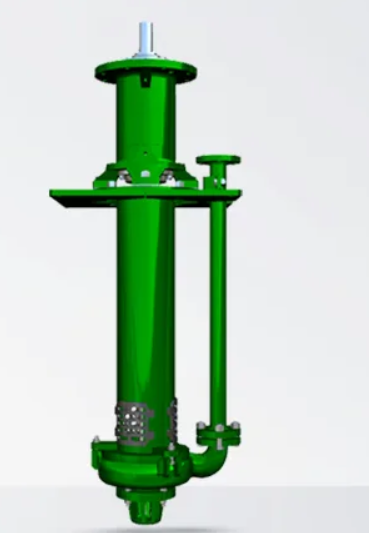
Regrind mills take rougher concentrate and grind it finer to liberate more valuable minerals. The cyclone feed pumps for regrind circuits must handle a dense, abrasive slurry while maintaining very stable pressure to the cyclones. Fluctuating pressure changes the cut point of the cyclones, sending oversize material to the wrong stream. CNSME pumps for this duty feature precision-machined impellers and liners that maintain tight clearances, producing the stable pressure required. The adjustable impeller clearance allows operators to restore performance as wear occurs, maintaining consistent cyclone operation over time. A copper mine reported that after installing CNSME pumps on their regrind cyclone feed, the variability of their cyclone overflow size distribution dropped by more than half, allowing the flotation circuit to recover more metal.
Lime Slurry for pH Control
Many metallurgical processes require precise pH control using lime slurry. Lime is abrasive and tends to scale on pump internals, reducing performance over time. CNSME pumps for lime slurry use rubber linings that resist both the abrasion and the buildup. The open impeller design prevents the lime from bridging and clogging. Slow speed operation reduces the impact velocity of the lime particles, extending liner life. A gold heap leach operation using CNSME pumps for lime dosing reported that the pumps required cleaning only once per quarter, compared to weekly cleaning for their previous pumps. The consistent lime addition improved pH control and increased gold recovery by nearly two percent. That small percentage point improvement, multiplied by thousands of tons of ore, added up to millions in additional revenue.