Building solidarity beyond borders. Everybody can contribute
Syg.ma is a community-run multilingual media platform and translocal archive.
Since 2014, researchers, artists, collectives, and cultural institutions have been publishing their work here
Any language
Recent
Philosophy and Humanities
Крис Дайт "Провал современной экополитики"
Вольный перевод статьи Криса Дайта «Waiting for the rupture»; опубликованной в журнале «Radical Philosophy», R.P. 2.18.
Society and Politics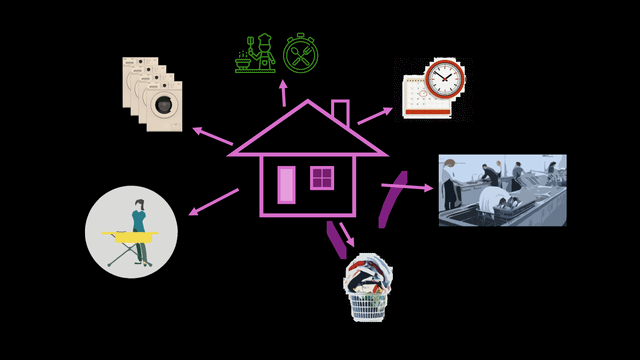
Капитал у нас дома. Часть 3. Полный аутсорс
east gora202
Разбираем модель всеобщего «агенства добрых услуг» на фоне «неопатриархата». Разбираем, почему капитал не переходит к ней и почему она всё же не противоречит и не исключает капитализма.

Prose
МАТРЁШКА, ИЛИ ТРАКТАТ О НЕУЛОВИМОЙ СУТИ
Немецкий философ приезжает в русскую деревню, чтобы написать трактат о «вещи в себе». Но местный мужик, бывший астроном и яростная хозяйка избы докажут ему, что всякая теория — суета. Притча.
Society and Politics
Тезисы о мародёрстве
Почему абстрактное осуждение насилия и грабежей при протестах — симптом теоретической нищеты
Self-Organization
Критика анархизма образа жизни
Краткое содержание книги «Социальный Анархизм и Анархизм образа жизни: непреодолимая пропасть» Мюррея Букчина. Материал входит в образовательную программу бразильской OSL.
≈ fluid/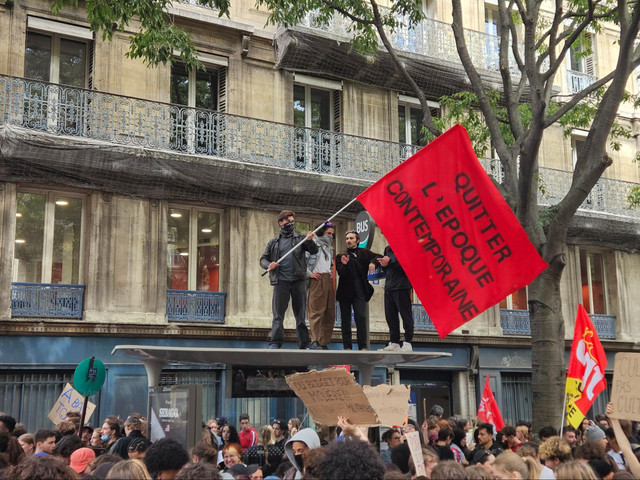
Покинуть современную эпоху
≈ fluid/1.1K🔥
перевод текста французского коллектива Artifices о движении лицеист: ок
Art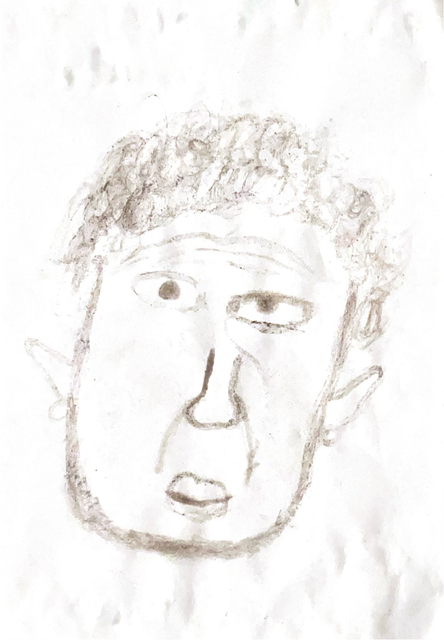
Иван Хныщ — «Моя Покойная Бабушка (Версия II)»: О первозданной уязвимости и естественных финалах
Ivan Khnysh 41
Исследование структурной параллели между детством и старостью как двумя формами первозданной беззащитности через органические материалы: почву, слюну и переработанную бумагу.
Notes
ВЕЛИКАЯ СДАЧА
«Добрый царь», налоги — легальный рэкет, демократия — спектакль. …от кочевых банд до современных корпораций. Для тех кто устал быть винтиком в системе, которая в мертвой петле.
Tashkent-Tbilisi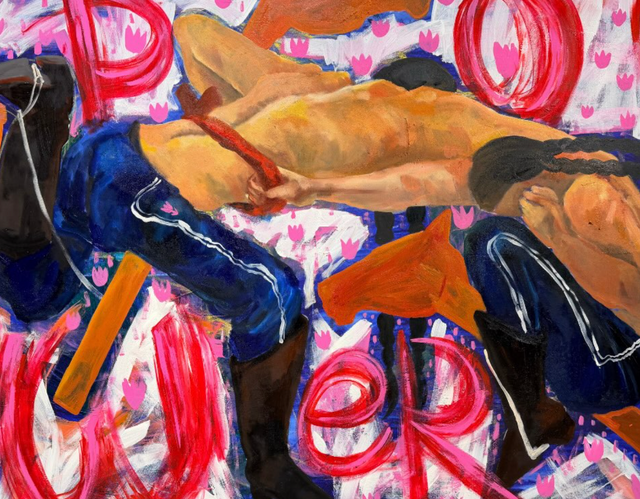
Пределы иронии
Короткая заметка о внутрицеховом споре в современном искусстве Казахстана (и Центральной Азии)
Philosophy and Humanities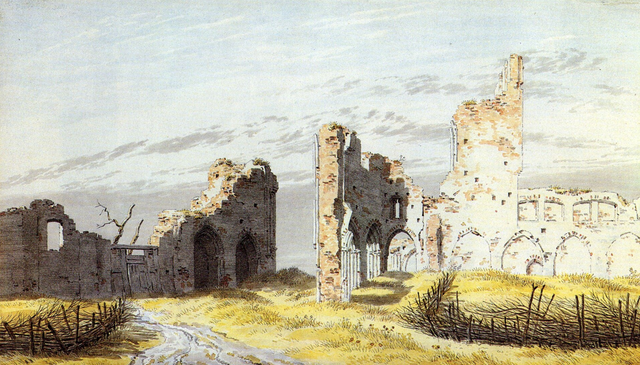
Крушение кумиров: Духовный диагноз эпохи и рождение подлинной веры
Революции, государства, научный прогресс и чистая мораль могут стать опасными ловушками, если превращаются в объекты религиозного поклонения. Любое внешнее насилие во имя «добра»неизбежно порождают ад...
Notes
Дрейф по жизни. День рождения Игоря Макарова. (Заметки на полях перформанса без фотографий) Часть 5
Эти заметки подобны некоторым текстам Беньямина, когда герой следует по городу и своей памяти и обнаруживает что-то о настоящем
Philosophy and Humanities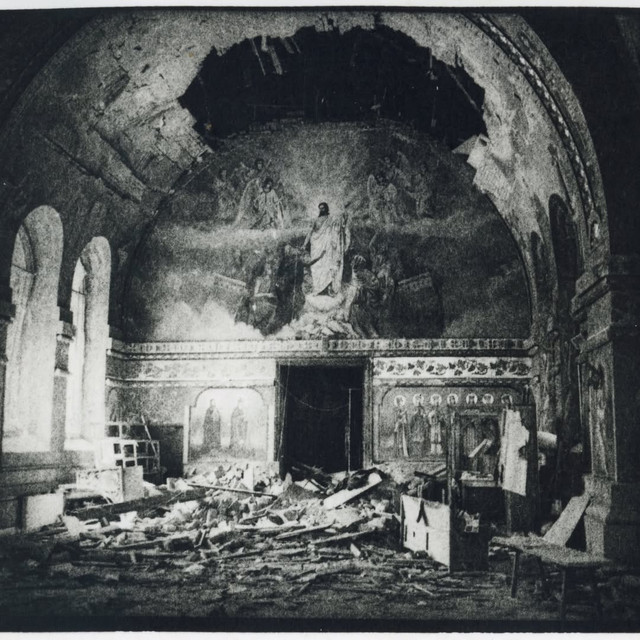
A Garden Among Ruins
A phenomenological essay on what ruins ask of those who look at them, from a childhood ravine to the war in Ukraine, ending in a garden as a practice of hope without guarantees.
The Israeli–Palestinian Conflict
Что такое цифровой национализм
#Словарь. Как хэштеги и геолокации воспроизводят национализм
Special projects
Collections of texts, multimedia materials and special events prepared by the editorial board together with the syg.ma community or our institutional partners
Сноска
Коллекция учебных пособий, методичек и справочников, которые делают недоступное знание доступным
Atlas
The project mapping out complex systems of power, translocal entanglements, and tacit networks of solidarity
Tashkent-Tbilisi
A research archive of the history and contemporary culture of Central Eurasia